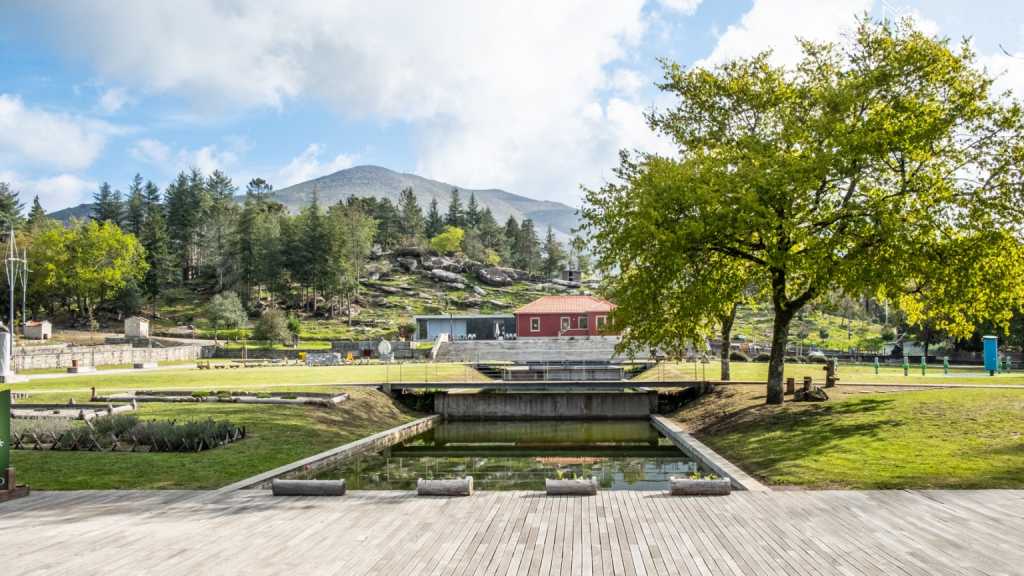
Porta do Mezio
Place of InterestThe Porta do Mezio, located in the municipality of Arcos de Valdevez, is currently considered one of the five gates of the Peneda-Gerês National Park. As the gateway to the mountains and valleys of Soajo and Peneda, it was named a World Biosphere…
- Peneda-Gerês
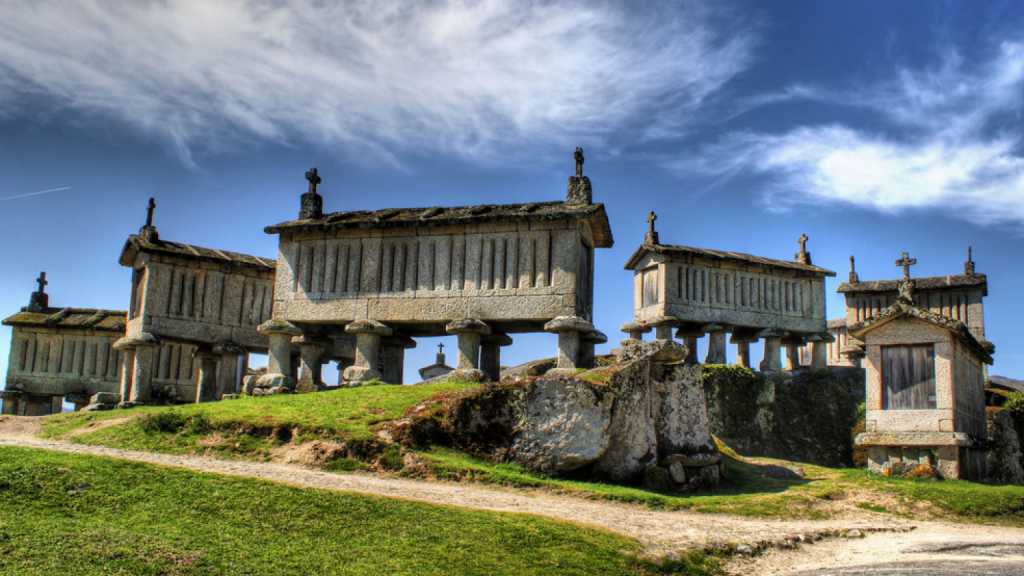
Aldeia de Soajo
Place of InterestThe Soajo village is an ancient place that belongs to the municipality of Arcos de Valdevez, district of Viana do Castelo. This charming place in the National Park of Peneda-Gerês has a unique heritage, a fantastic landscape, and traditions that are…
- Peneda-Gerês
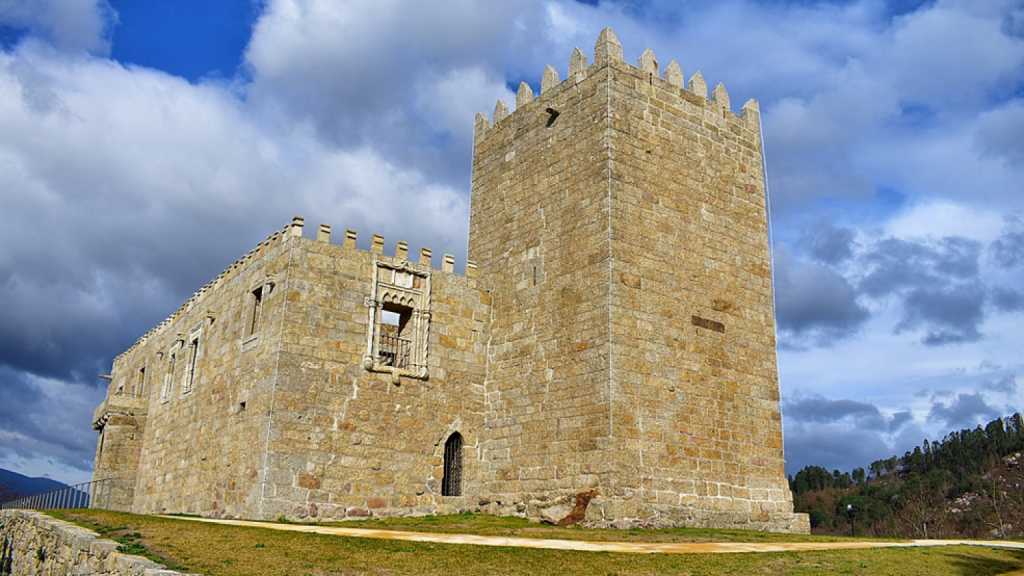
Paço de Giela
Monument & HeritageThe Paço de Giela, located in the municipality of Arcos de Valdevez, is considered an exemplar of several aspects of civil architecture, be it medieval or contemporary. …
- Arcos de Valdevez
- Castle & Fortress
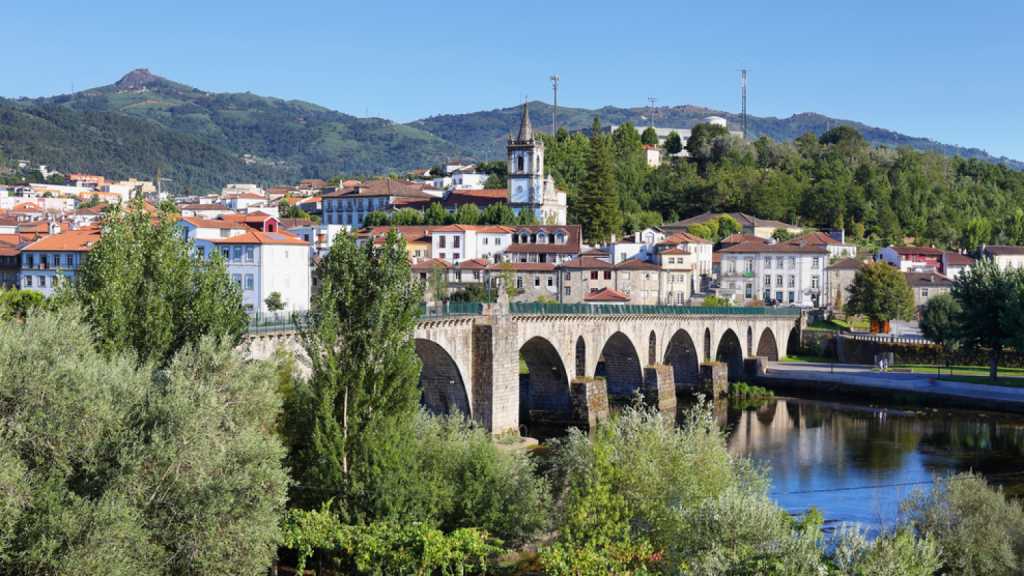
Ponte da Barca
Place of InterestPonte da Barca is a village that is located in a region rich in nature, on the banks of the Lima River, with several studies suggesting that its name originated from a barge that was used to make the connection between the two banks before the…
- Ponte da Barca
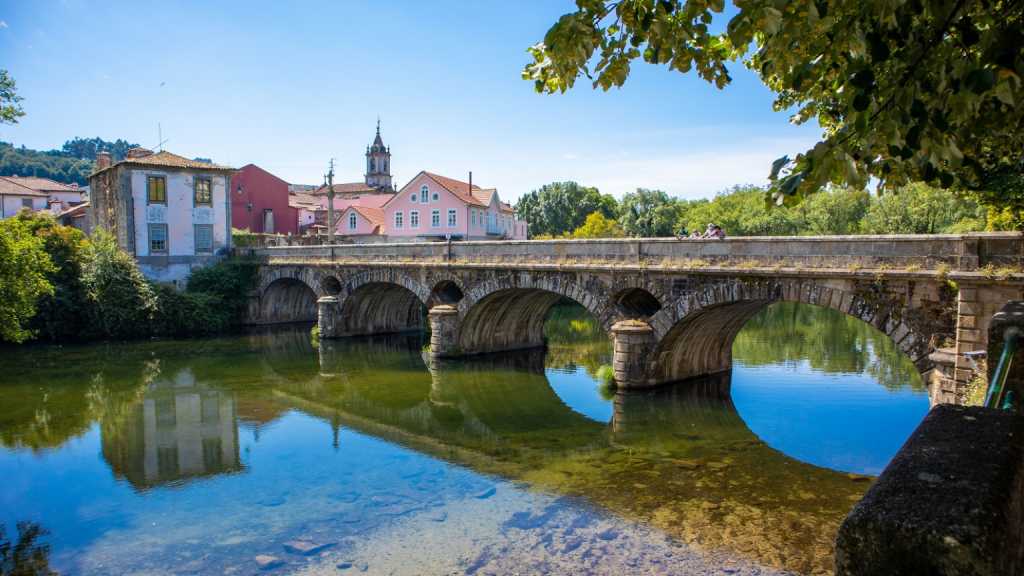
Arcos de Valdevez
Place of InterestArcos de Valdevez is a town in the district of Viana do Castelo, in the northern region and sub-region of Alto Minho and with a profound connection to the history of Portugal as an independent nation. …
- Arcos de Valdevez
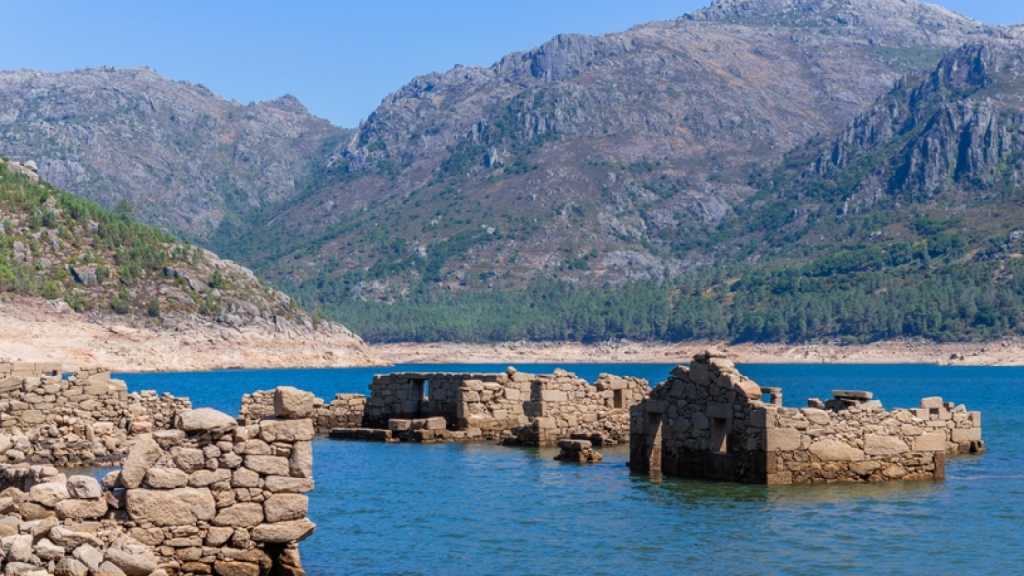
Vilarinho da Furna
Place of InterestThe village of Vilarinho da Furna, also known as Vilarinho das Furnas, was a place that belonged to the parish of Campo do Gerês, in the municipality of Terras de Bouro, district of Braga.…
- Peneda-Gerês
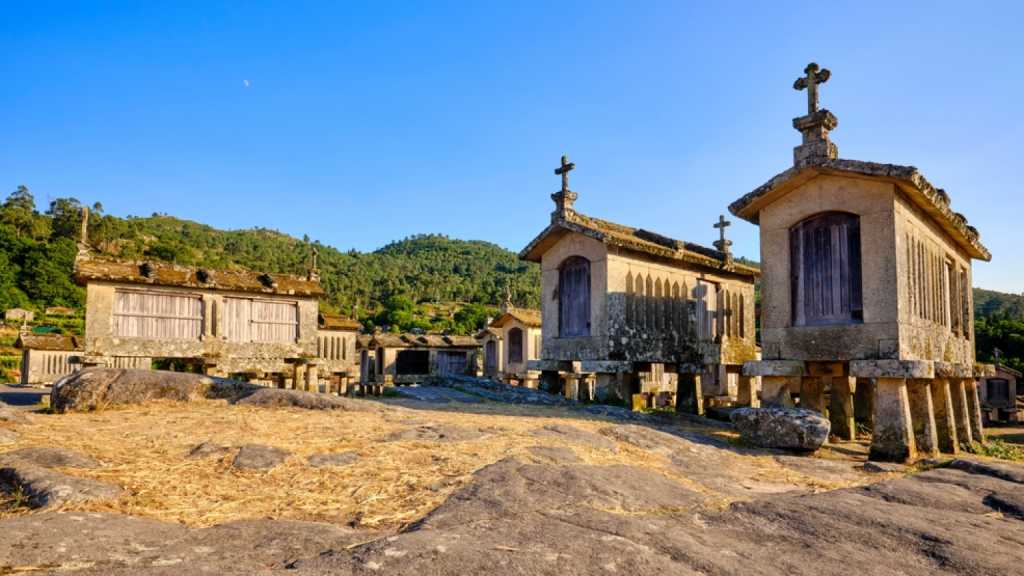
Lindoso
Place of InterestLindoso is a parish that belongs to the municipality of Ponte da Barca. It is well-known for the castle of Lindoso and its museological center, the largest collection of granaries on the Iberian Peninsula, the medieval bridge and the mills of Parada,…
- Peneda-Gerês
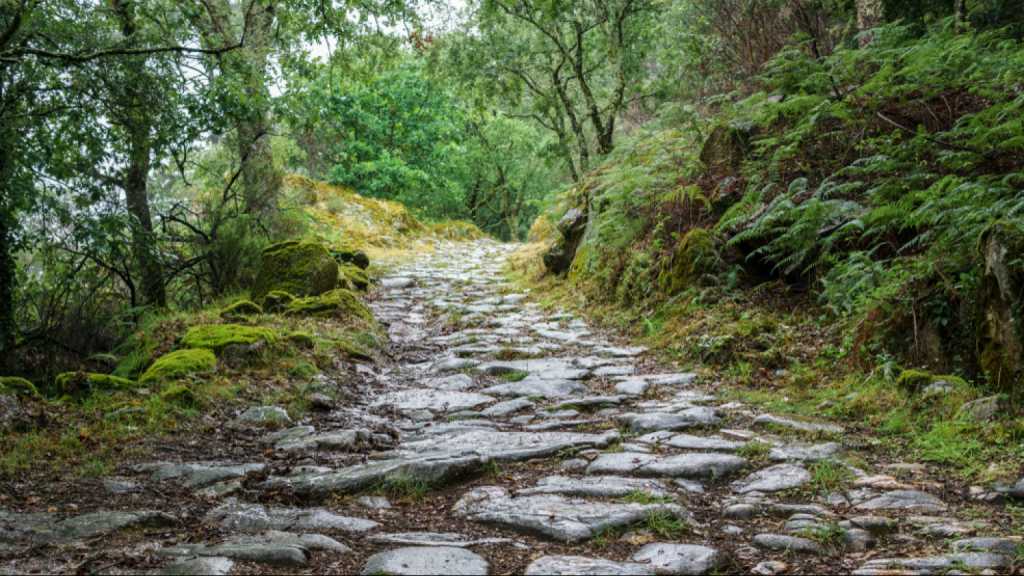
Geira - Via Romana
Place of InterestThe Geira, also known by the name of Via Nova or Via XVIII of Antonino's Itinerary, is a military road built during the Roman period that connected Braga (Bracara Augusta) to Astorga (Asturica Augusta), stretching over a distance of 318 km (or 240…
- Peneda-Gerês
- Trails
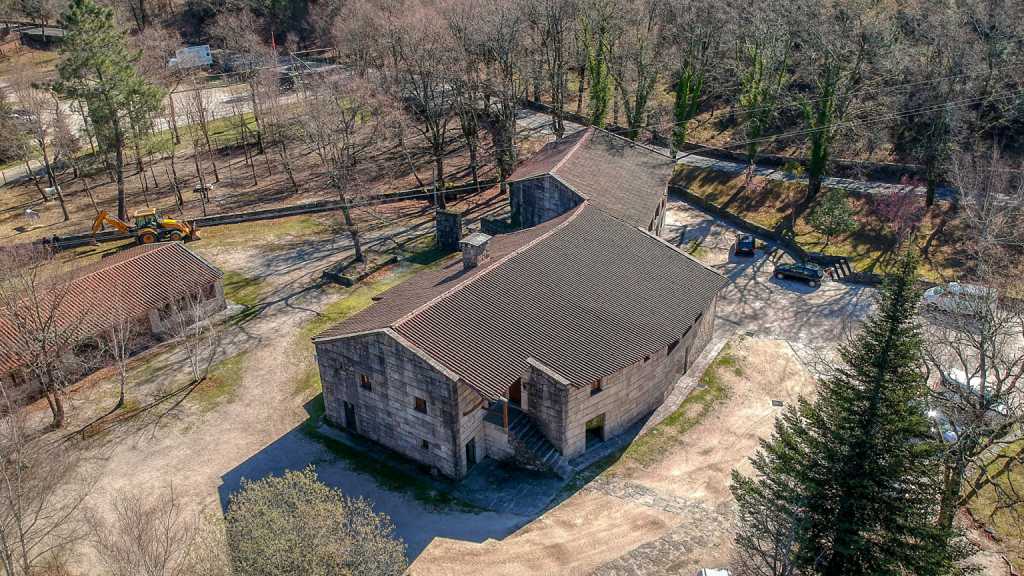
Museu Etnográfico de Vilarimho da Furna
MuseumThe Ethnographic Museum of Vilarinho da Furna shares its location with the Museum Centre of Campo do Gerês, and the Parque Nacional Peneda-Gerês as well.…
- Peneda-Gerês
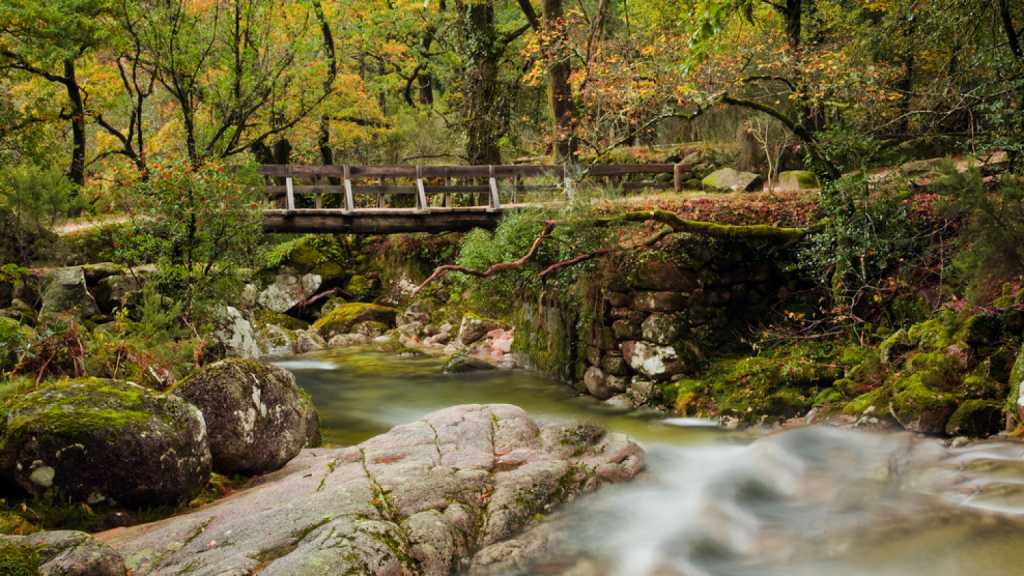
Mata da Albergaria
Place of InterestMata da Albergaria is one of the fascinating woods of the Peneda-Gerês National Park, located in the municipality of Terras de Bouro, in the district of Braga. …
- Peneda-Gerês
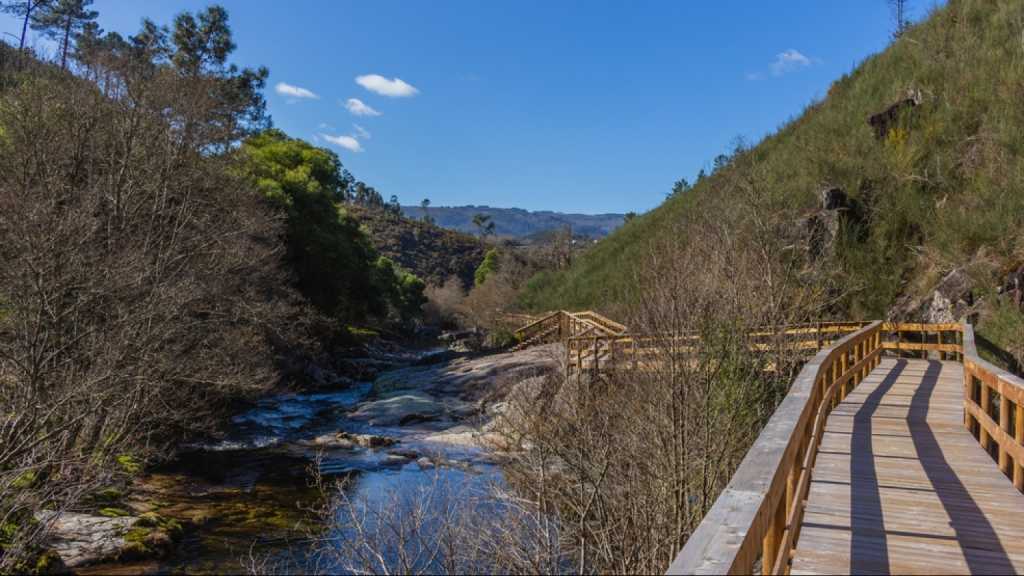
Ecovia do Vez
Green SpaceThe Vez Ecovia runs along the Lima and Vez rivers, in a total extension of 32,5 km. The route on the right bank of the Lima river goes from Jolda S. Paio to Gândara, parish of Santar, and passes through the parishes of Padreiro and Távora, where…
- Arcos de Valdevez
- Trails
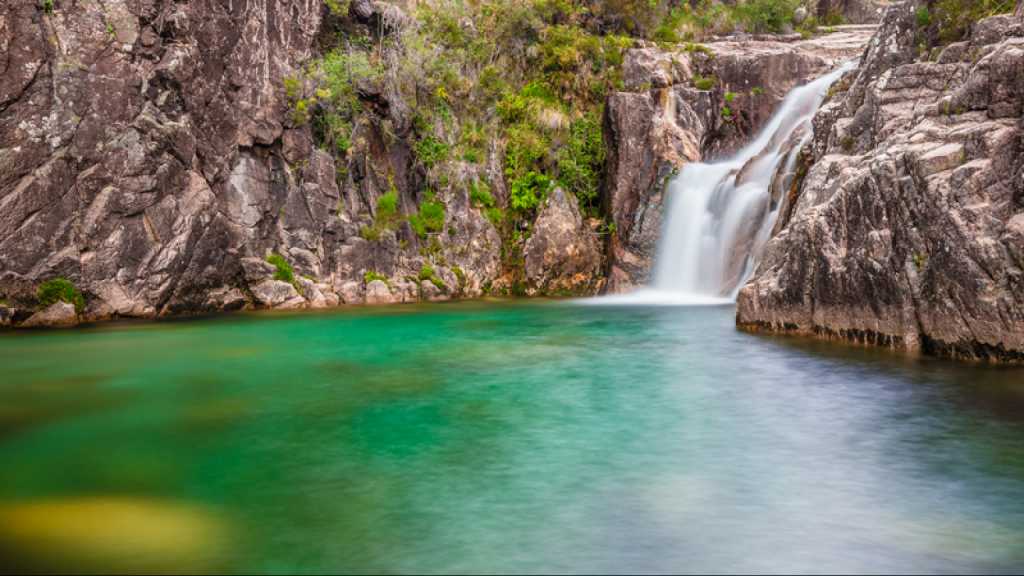
Cascata da Portela do Homem
LagoonLagoa e Cascata da Portela do Homem, the popular name by which the Cascata de São Miguel is known and located near Portela do Homem, parish of Campo do Gerês, municipality of Terras de Bouro, is a succession of small waterfalls of the river Homem,…
- Peneda-Gerês
- Waterfalls
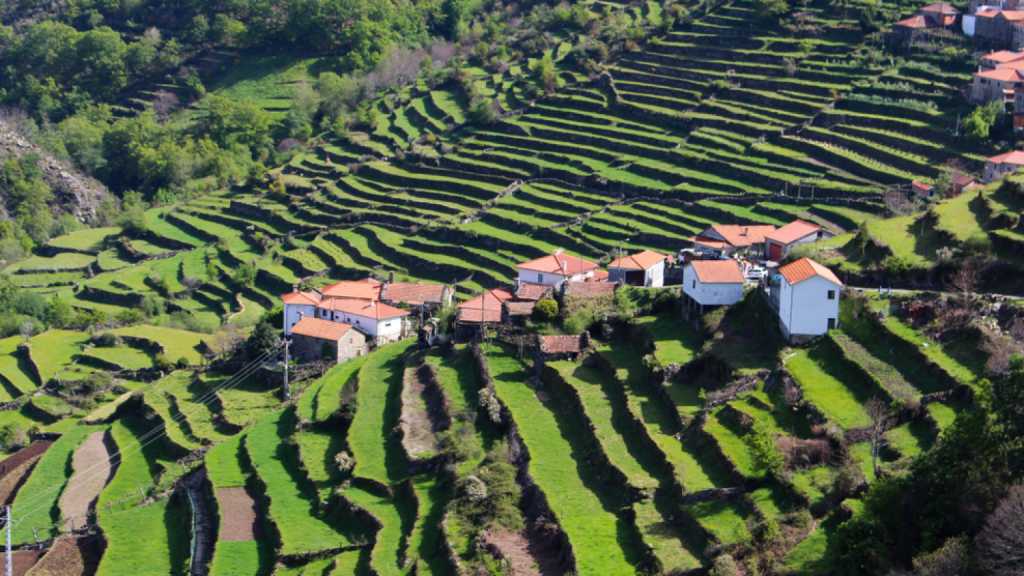
Aldeia de Sistelo
Place of InterestThe village of Sistelo, also known as the "Portuguese Tibet", is located in the municipality of Arcos de Valdevez and was one of the winning villages of the contest 7 Wonders of Portugal. …
- Peneda-Gerês
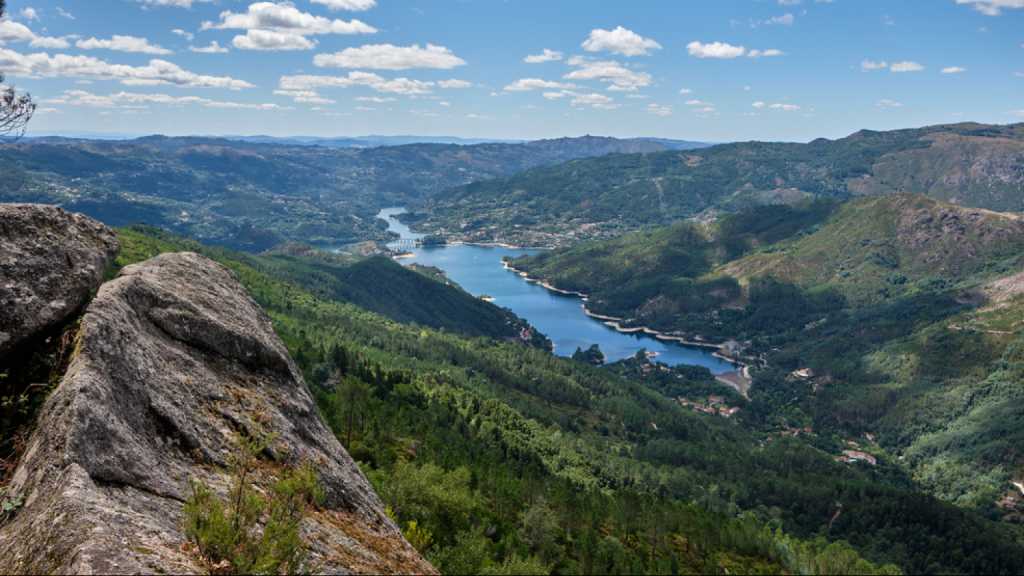
Miradouro da Pedra Bela
ViewpointPedra Bela belongs to the municipality of Terras de Bouro in the district of Braga and is currently one of the most popular places in Gerês. Located about 800 meters high, this viewpoint allows you to enjoy the stunning landscape around it: the…
- Peneda-Gerês
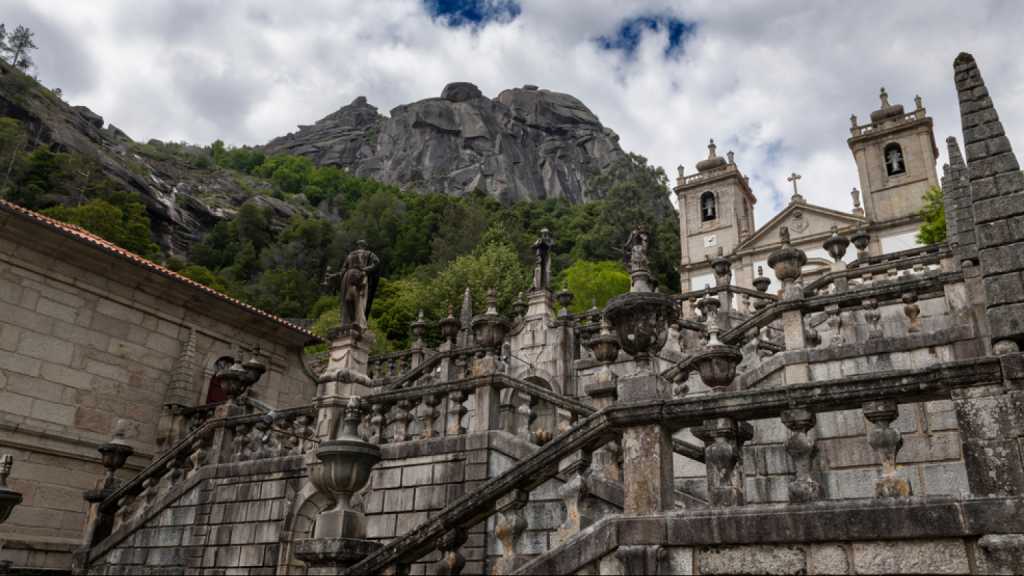
Santuário de Nossa Senhora da Peneda
ReligiousIt's in Nossa Senhora da Peneda, in the parish of Gavieira, municipality of Arcos de Valdevez, that we can find the imposing Sanctuary of Nossa Senhora da Peneda. …
- Peneda-Gerês
- Place of Interest
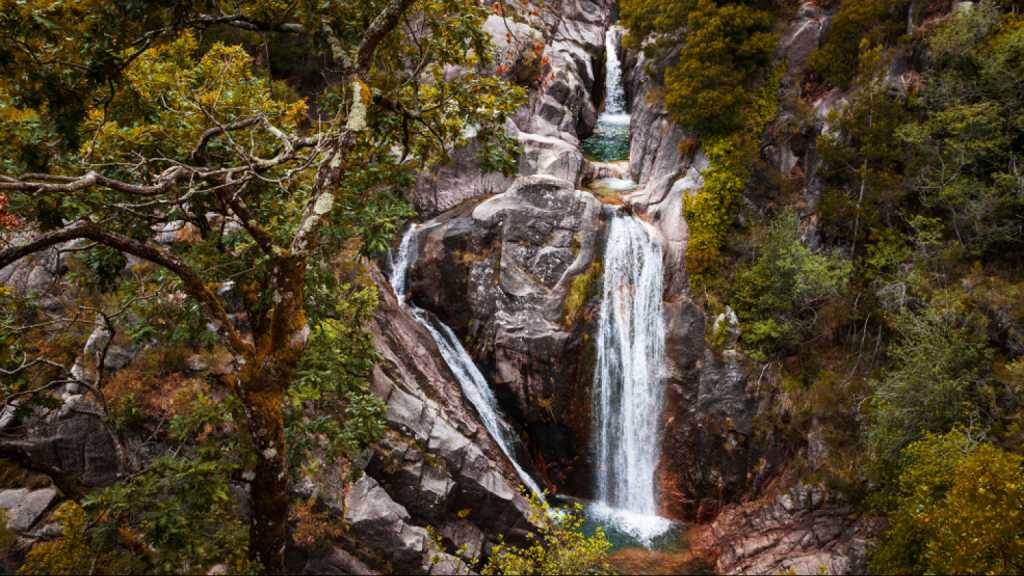
Cascata do Arado e Poço Azul
LagoonIn the valley of the river Conho, we can find one of the best-kept secrets of the National Park of Peneda-Gerês. Lagoa e Cascata do Arado lies in the Arado river, near the village of Ermida and the Pedra Bela viewpoint. This magnificent landscape is…
- Peneda-Gerês
- Waterfalls
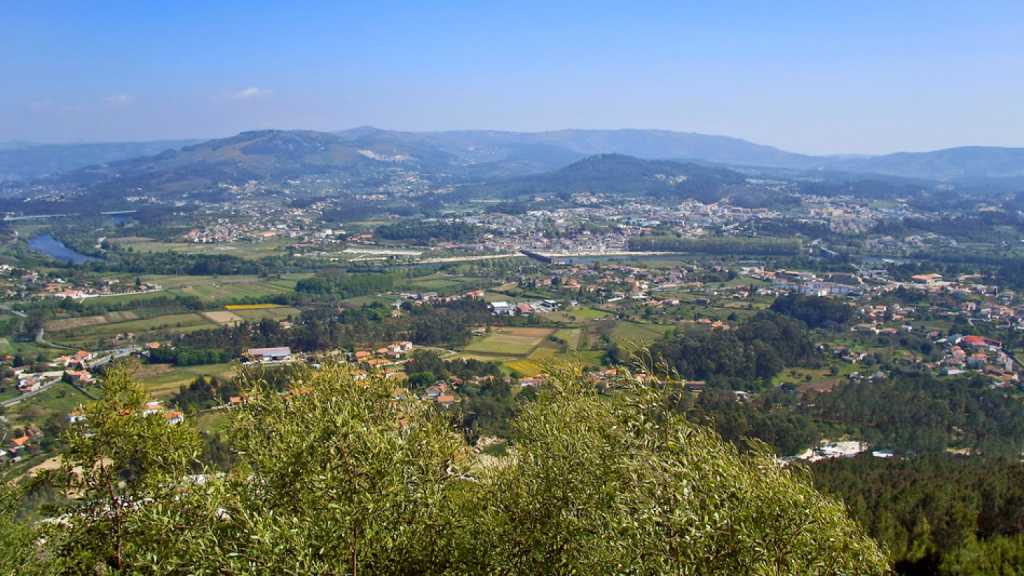
Miradouro da Madalena
ViewpointThe Santa Maria Madalena hill is known for its enormous value and unquestionable relevance to the historical, cultural, religious, environmental, and landscape panorama of Ponte de Lima. Such importance is due to the presence of numerous…
- Ponte de Lima
- Place of Interest
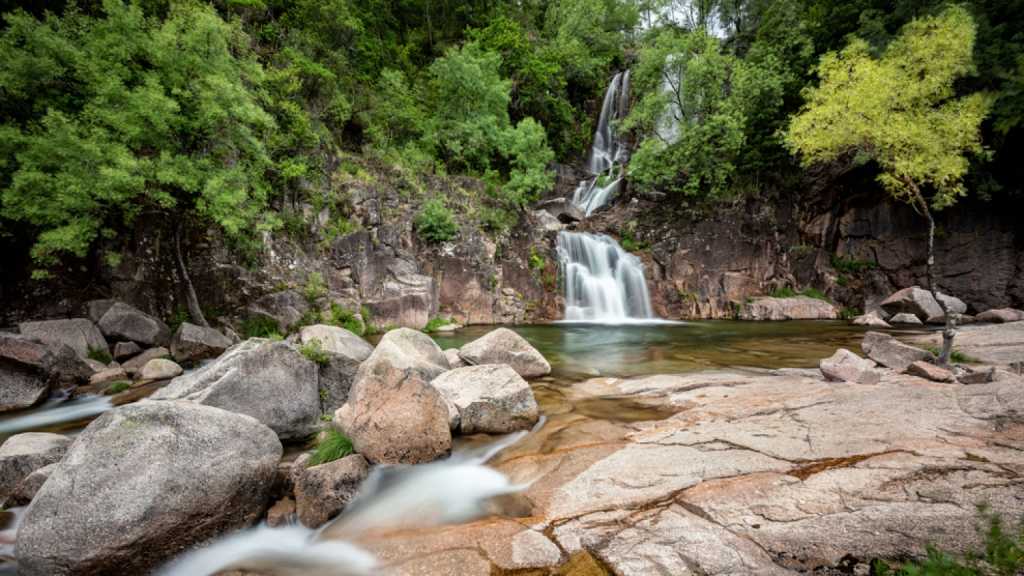
Cascata do Tahiti
LagoonThe Lagoa e Cascata do Tahiti, a popular name by which Cascatas Fecha de Barjas is known, lies in the middle of the Serra do Gerês, more precisely in the surroundings of the village of Ermida, parish of Vilar de Veiga, municipality of Terras de…
- Peneda-Gerês
- Waterfalls
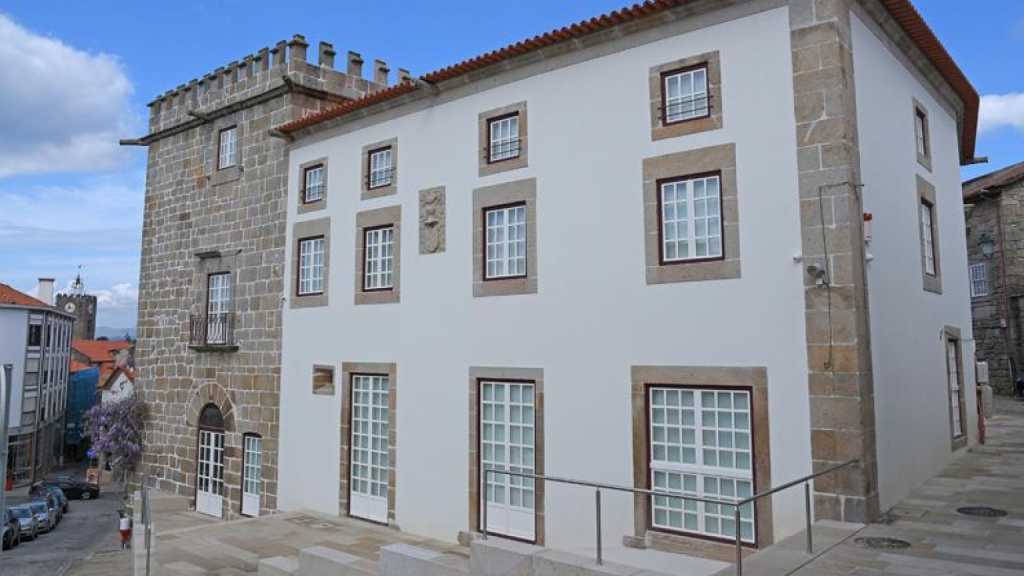
Centro de Interpretação e Promoção do Vinho Verde
MuseumThe Interpretation and Promotion Center for Vinho Verde is located in the heart of Ponte Lima's historical center, in a space called Casa Torreada dos Barbosa Aranha, a space considered to be of public interest. …
- Ponte de Lima
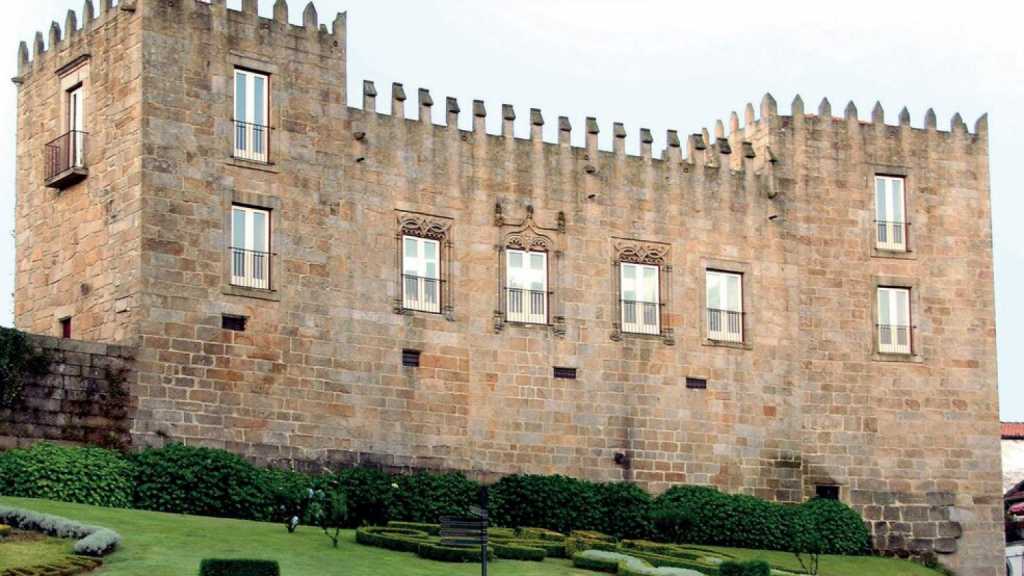
Centro de Interpretação da História Militar
MuseumThe Ponte de Lima Military History Interpretation Center aims to demonstrate the essential military relevance of the town and all the adjacent territory from the Roman period until today. …
- Ponte de Lima
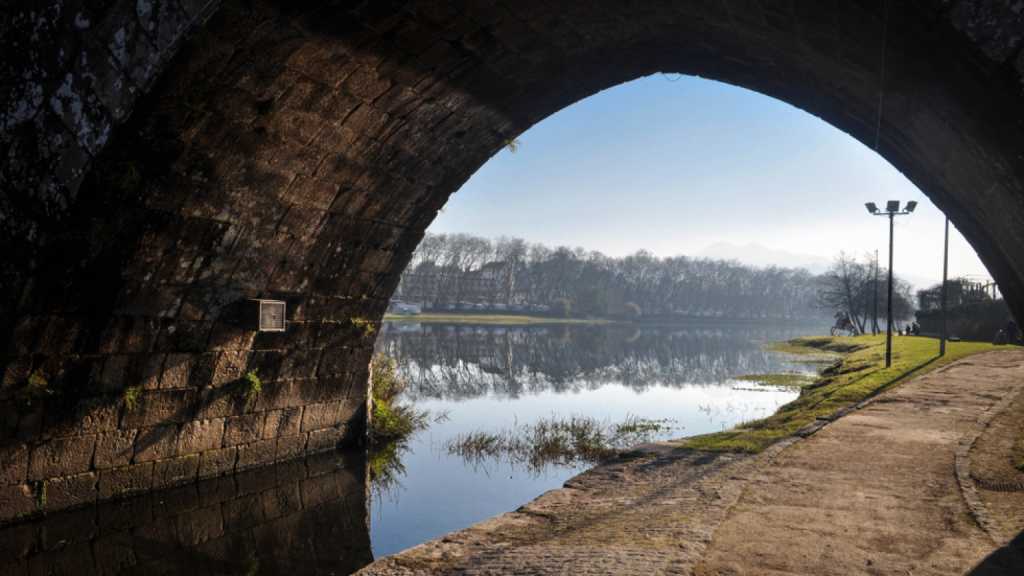
Ecovia do Rio Lima
Place of InterestIn the municipality of Ponte de Lima, several footpaths privilege and promote contact with nature and the environment. Part of these Ecovias can be found along the Lima River, where there is also the possibility of joining other activities.…
- Ponte de Lima
- Trails
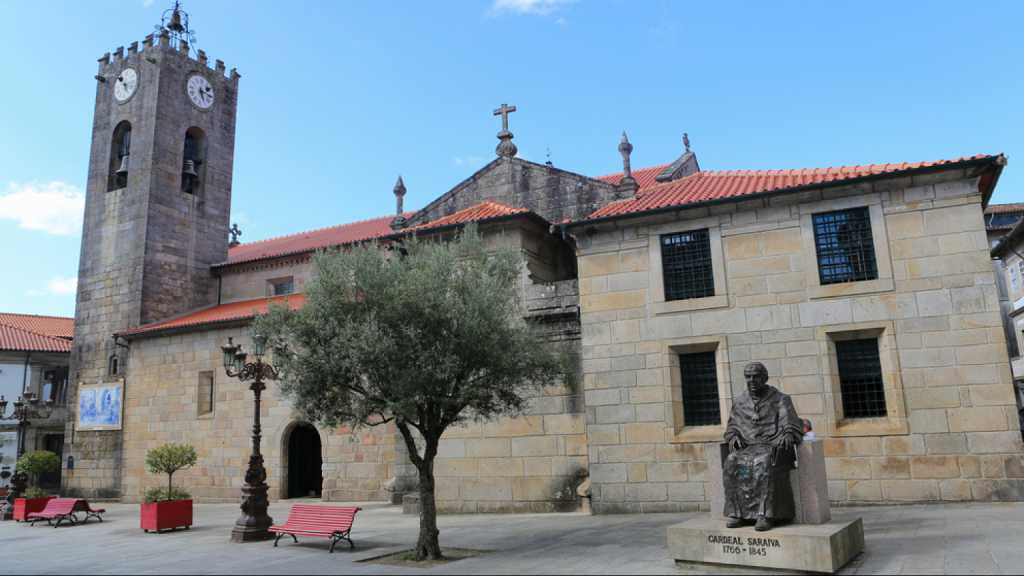
Igreja Matriz
Monument & HeritageIn Ponte de Lima, we can find the Igreja Matriz; even though its construction took place at a time when the Gothic was in significant expansion, we can observe that this church stands out for its Romanesque trait. This detail is also noted in some…
- Ponte de Lima
- Religious
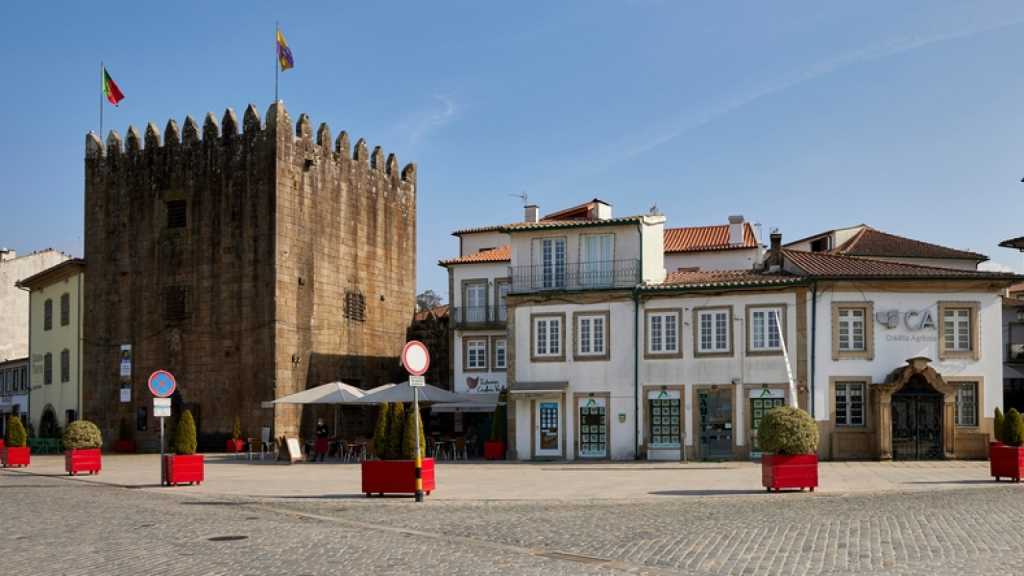
Torre de S.Paulo e da Cadeia Velha
Monument & HeritageThe Torre da Cadeia Velha in Ponte de Lima, together with the Torre de São Paulo, is considered the last traces of what was once the ancient medieval wall. This whole set of defensive characters was built during the reign of D. Pedro I in the…
- Ponte de Lima
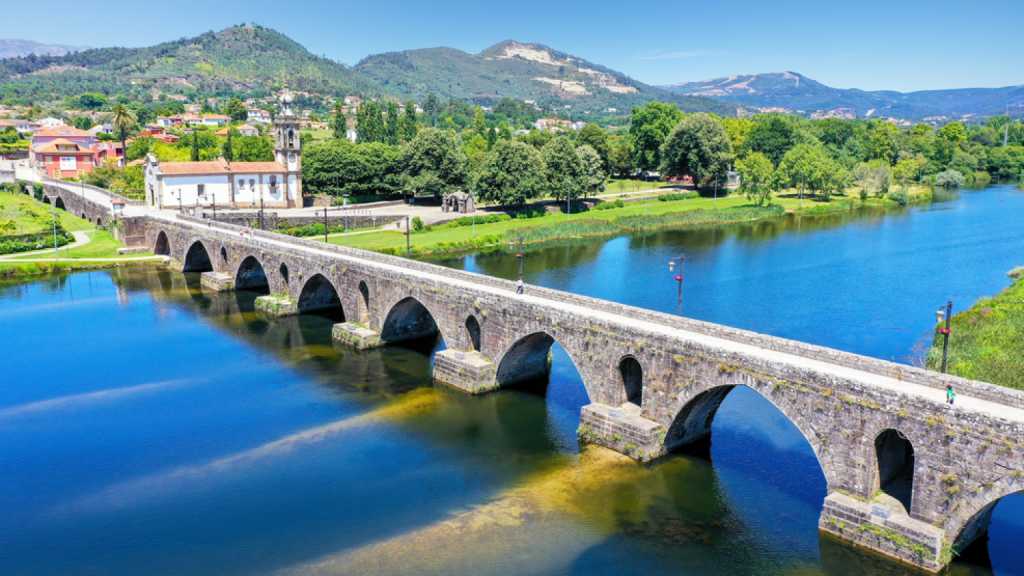
Ponte Romana e Medieval
BridgeIn the Portuguese village of Ponte de Lima, we can visit the famous bridge that spans the river that gave origin to the name of this village: The Lima River. …
- Ponte de Lima
- Monument & Heritage
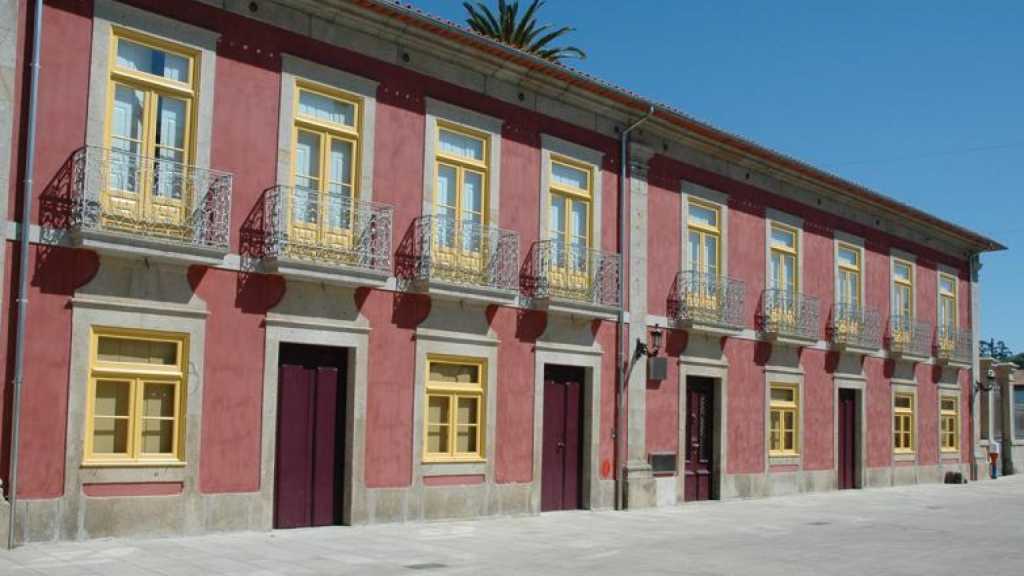
Museu do Brinquedo Portugês
MuseumThe Museu do Brinquedo Português, is the only one of its kind in Portugal and is part of the Casa do Arnado. …
- Ponte de Lima
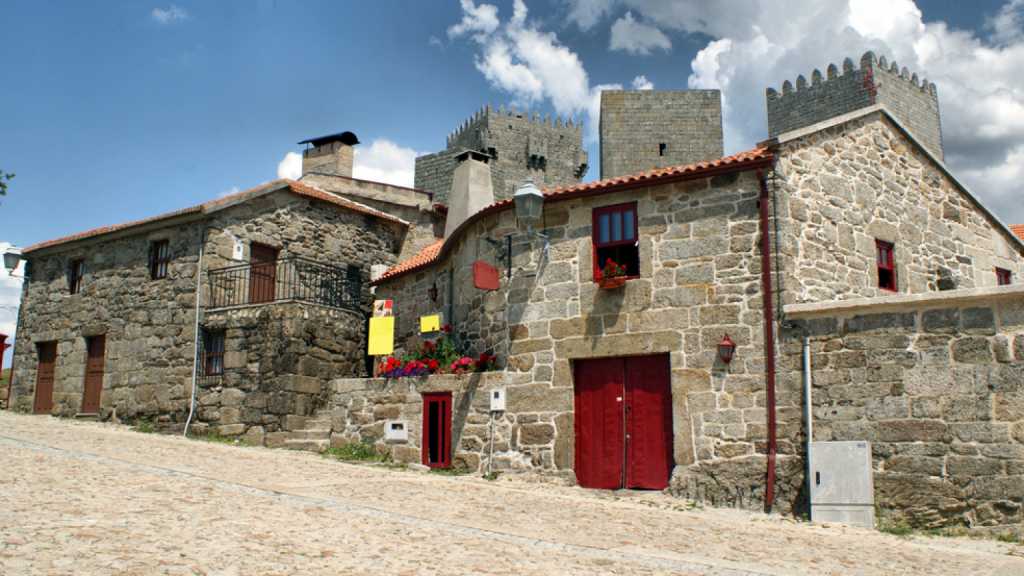
Ecomuseu de Barroso - Vezeira e a Serra
MuseumThe Vezeira and Serra Ecomuseum belongs to the village of Fafião and is one of the gorgeous areas of the Peneda-Gerês National Park, in the region of Trás-os-Montes and Alto Douro, in the municipality of Montalegre. …
- Peneda-Gerês
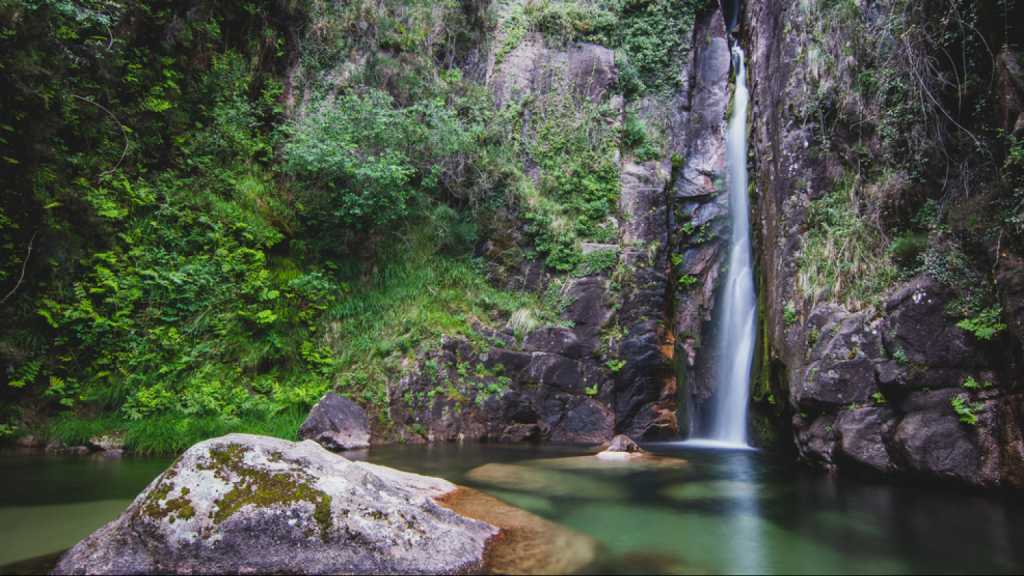
Cascata de Pincães
LagoonCascata de Pincães can be found in the middle of the National Park of Peneda-Gerês, near the village of Pincães, in the municipality of Montalegre, district of Vila Real. …
- Peneda-Gerês
- Waterfalls
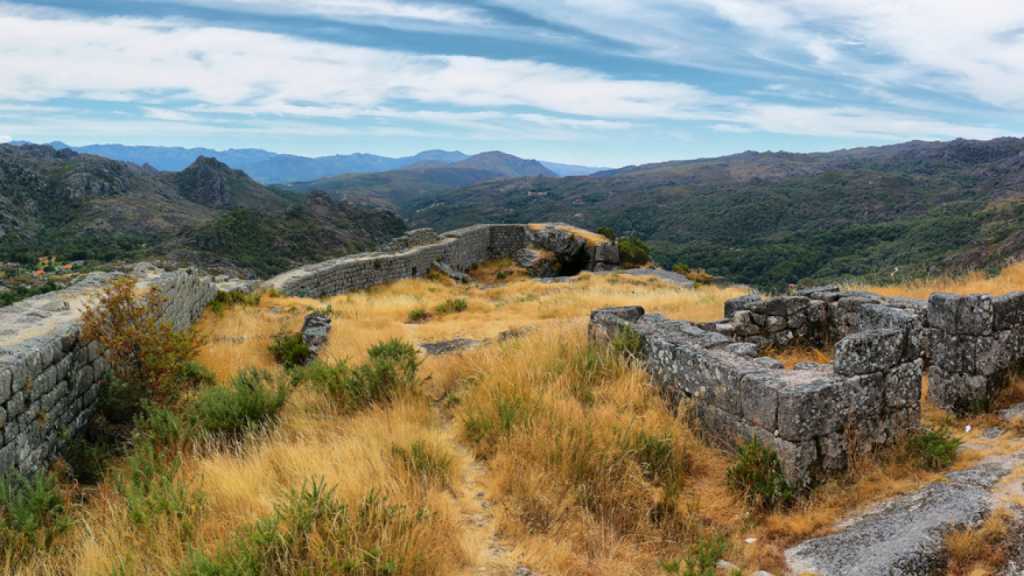
Castro Laboreiro
Place of InterestCastro Laboreiro is an extinct parish in Minho, which belonged to the Melgaço municipality, located in the Serra da Peneda.…
- Peneda-Gerês
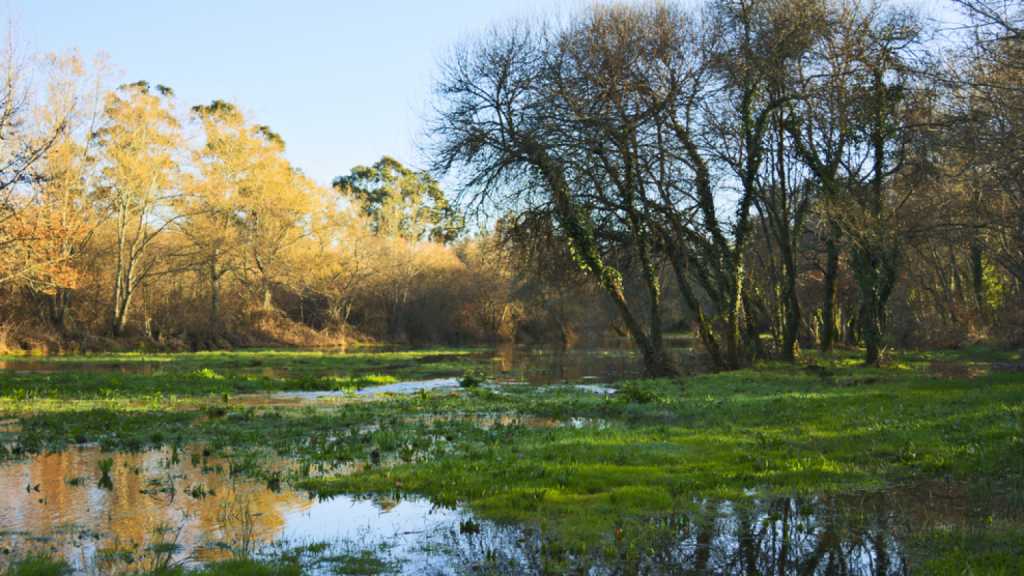
Lagoas de Bertiandos e São Pedro d'Arcos
Green SpaceThe Bertiandos and S.Pedro de Arcos Lagoons cover several county parishes in a predominantly rural region. The environmental and patrimonial values come together uniquely, and these lagoons are considered national landmarks in environmental education…
- Ponte de Lima
- Trails
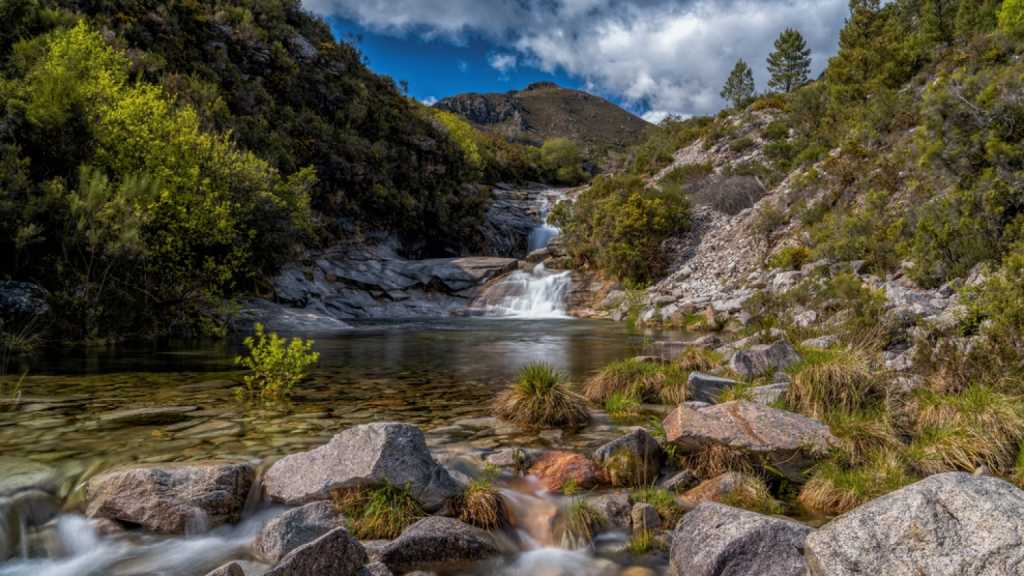
7 Lagoas do Xertelo
LagoonThe 7 Lagoas do Xertelo, also known as Poços Verdes do Sobroso, have one of the most stunning views in the Peneda-Gerês National Park and are found along the river that rises in the mountains and crosses the parish of Cabril, in the municipality of…
- Peneda-Gerês
- Waterfalls
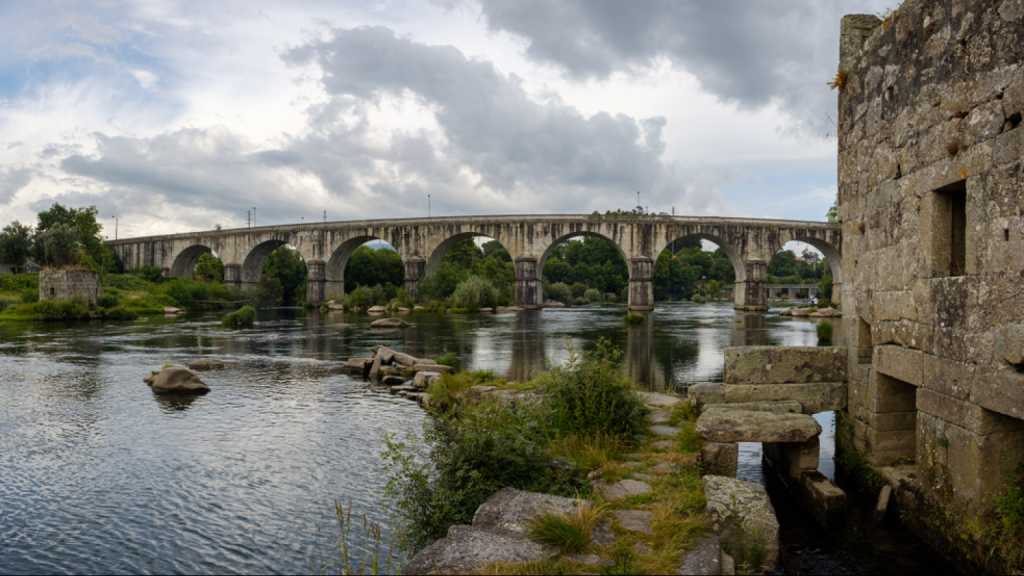
Ponte do Prado
BridgeThe Ponte do Prado, Bridge of Prado, is a spot located across the Cávado River, in the parish of Vila de Prado. This bridge was constructed as a Roman Bridge, however due to a flood had to be reconstructed in the 16th century. There are still some…
- Braga
- Place of Interest
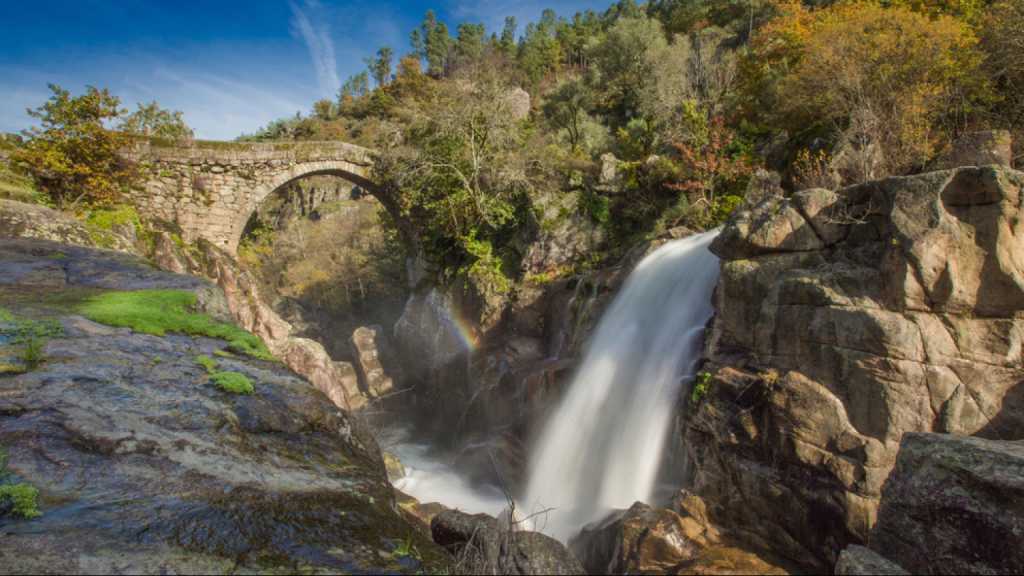
Ponte de Misarela
BridgeThe Misarela Bridge, also known as Devil's Bridge, is over the Rabagão river in the municipality of Vieira do Minho and Ferral, in the municipality of Montalegre.…
- Peneda-Gerês
- Place of Interest
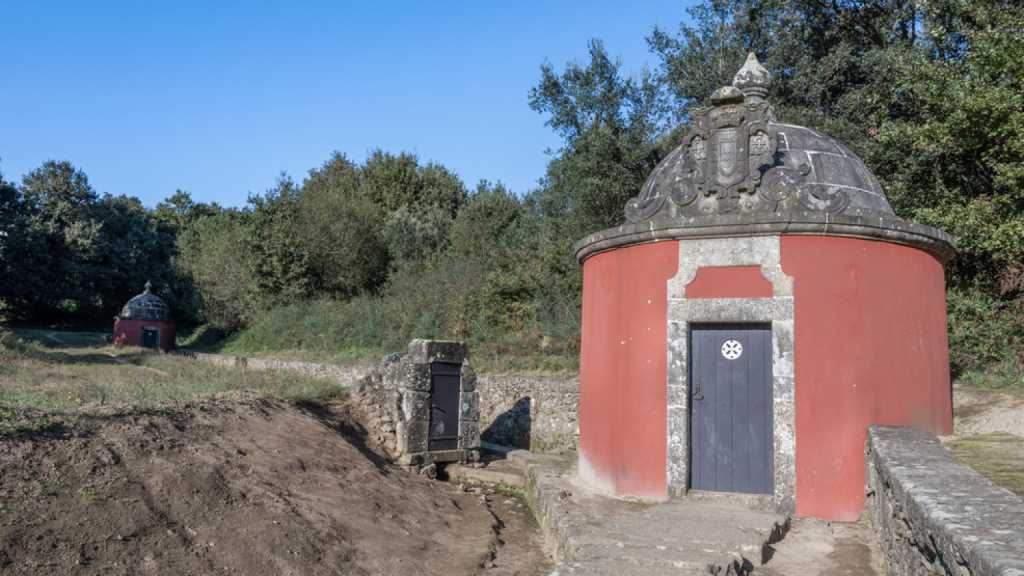
Sete Fontes de S. Victor
Monument & HeritageThe Sete Fontes, also known as the Seven Springs, is part of an 18th century water supply system that was built in Braga. This was the only source of water that this city had until the early 20th century. There are really only six springs because one…
- Braga
- Green Space
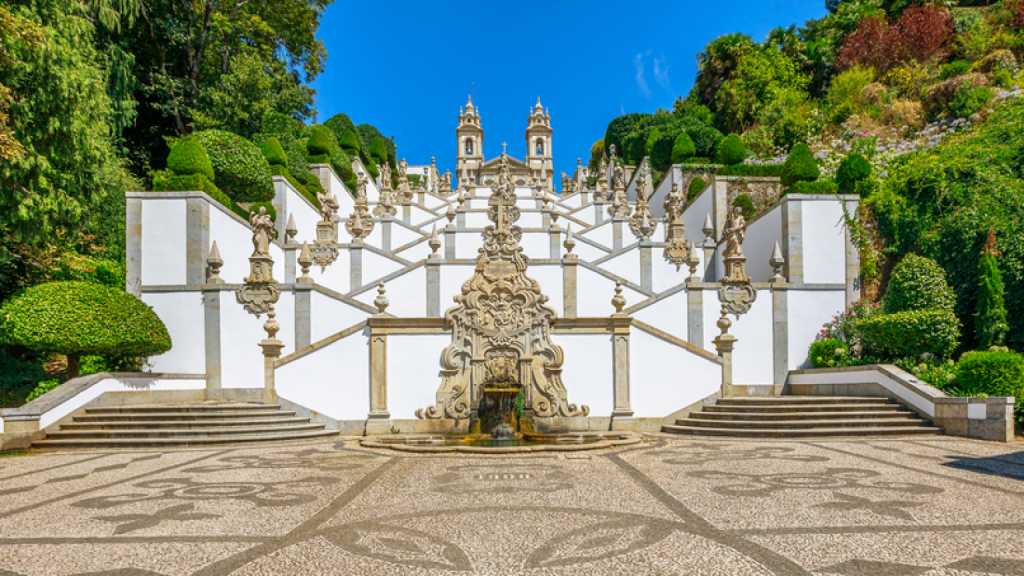
Santuário do Bom Jesus do Monte
ReligiousLocated just outside the city of Braga, this sanctuary is the definition of a pilgrimage site, and is made up of a famous Baroque stairway with a height of 116 meters. This attraction is one of the highlights of Braga architecture. The chapel on the…
- Braga
- Viewpoint
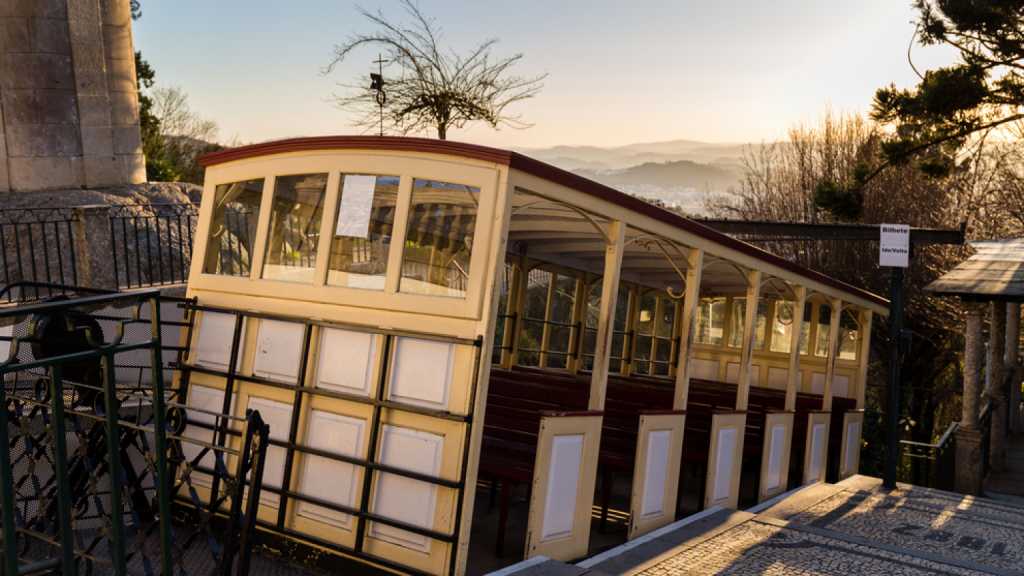
Funicular do Bom Jesus do Monte
TransportsLocated in the Santuário do Bom Jesus, the Funicular is known as the Fountain of Tears and is one of the premier places to visit while you are in Braga. The flanks of this mountain are supposed to provide a view of Jesus taking his final steps in…
- Braga
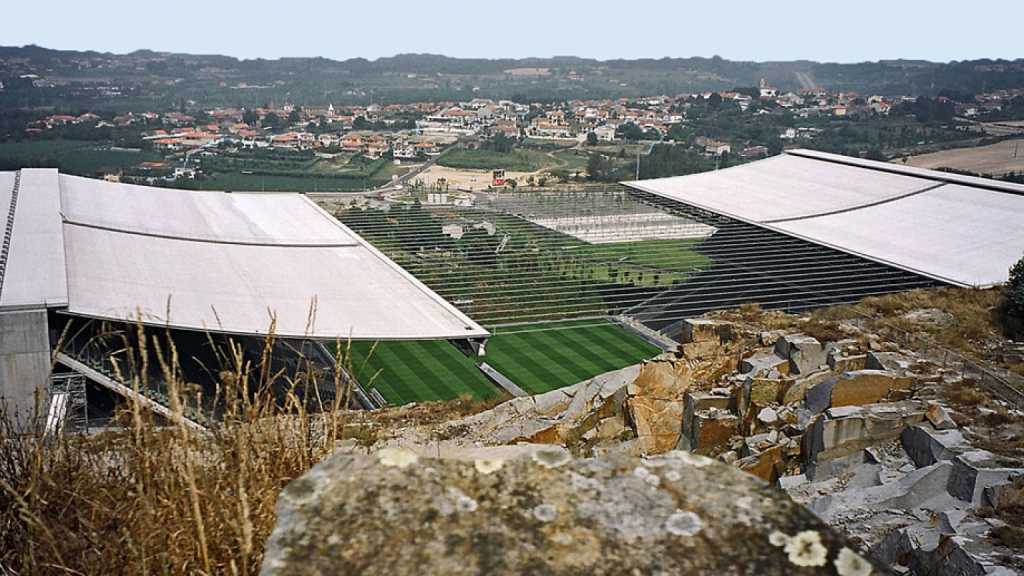
Estádio Municipal de Braga
Monument & HeritageThe Municipal Stadium of Braga is also known locally as The Quarry because it was carved from the mountain of Monte do Castro. It was built in 2003, for the location of the 2004 UEFA European championships. Eduardo Souto Moura, an acclaimed…
- Braga
- Football Stadium
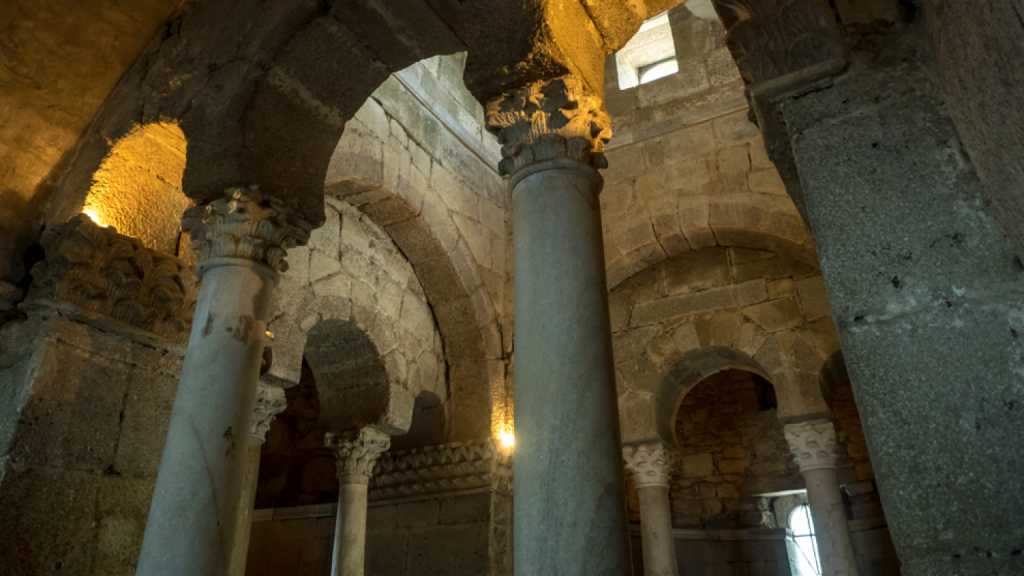
Capela de São Frutuoso de Montélios
Monument & HeritageThe Capela de São Frutuoso de Montélios is a pre-Romanesque chapel built in the 7th century by the Visigoths with influences from the Greek Cross. The name “Montélios” means a small hill (“monte pequeno”).…
- Braga
- Religious
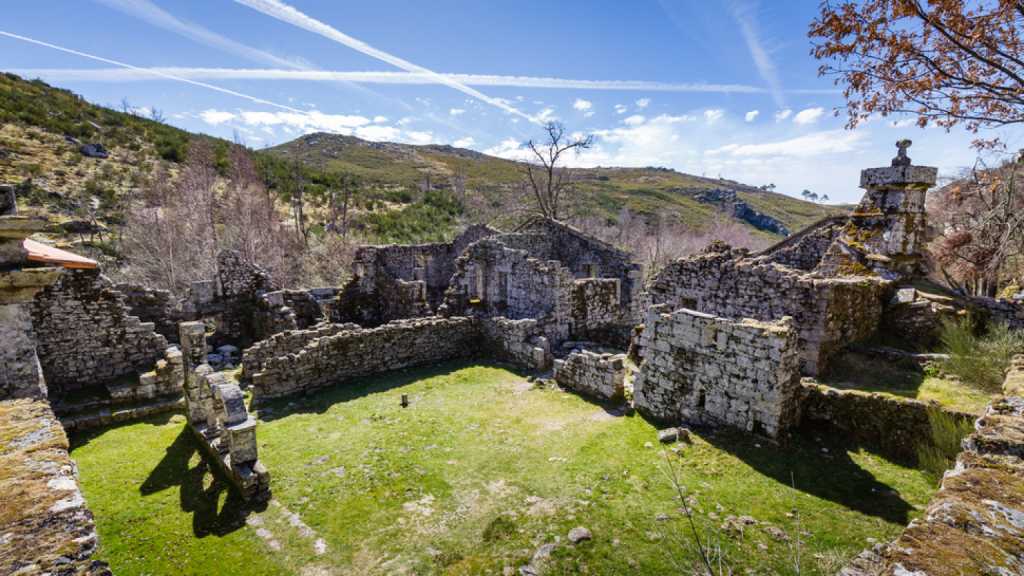
Pitões das Júnias
Place of InterestPitões das Júnias is a parish in the municipality of Montalegre and is considered one of the highest villages in Portugal, with an altitude of 1103 m.…
- Peneda-Gerês
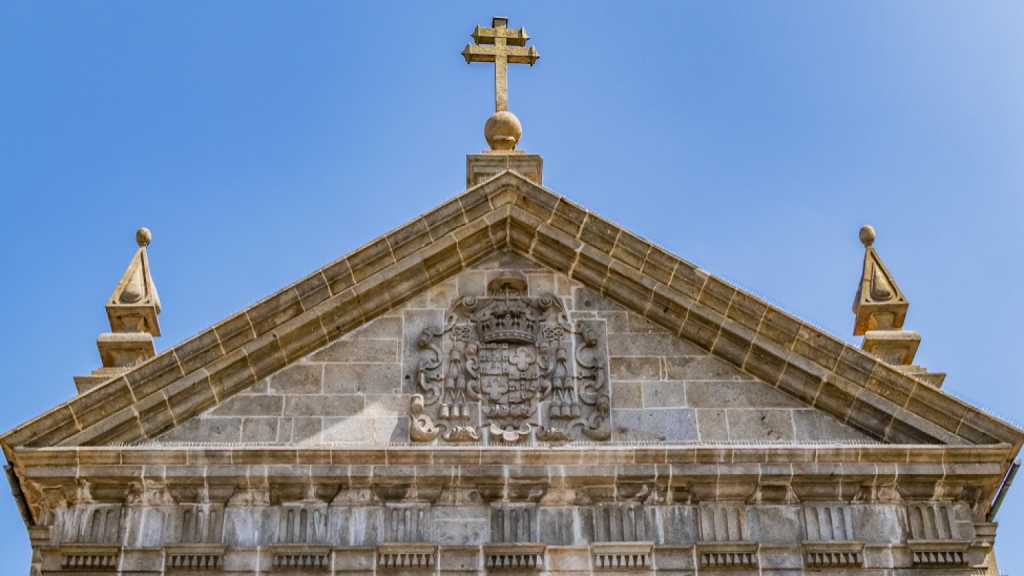
Igreja de São Victor
Monument & HeritageThe Igreja de São Victor, Church of St. Victor, was built in the 17th century, and owes its name to the saint São Victor de Braga. The construction began in 1686 with a project from Miguel de l’École, a French engineer. João de Sousa was…
- Braga
- Religious
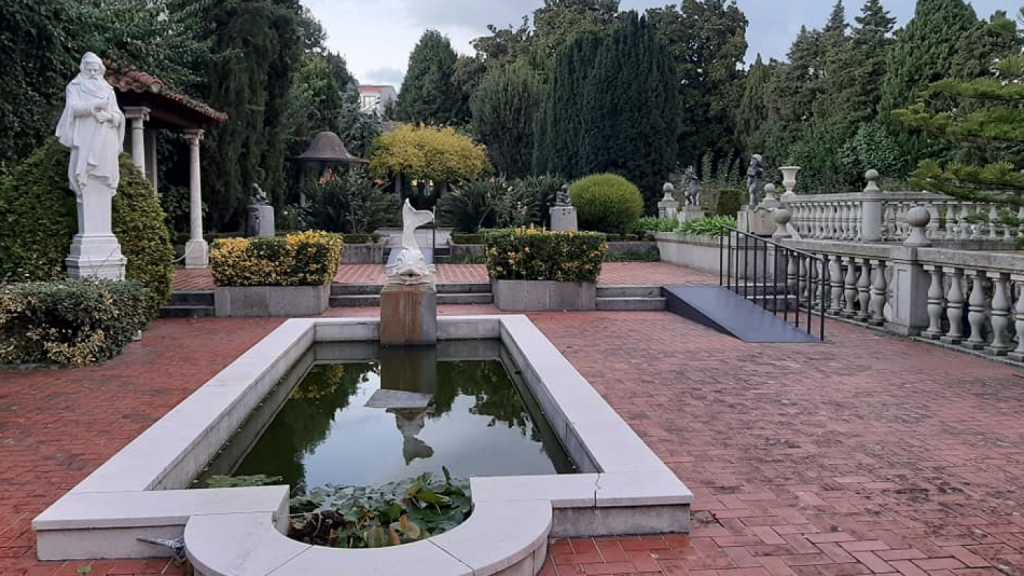
Museu Nogueira da Silva
MuseumThe Museu Nogueira da Silva is a famous museum located in Braga. …
- Braga
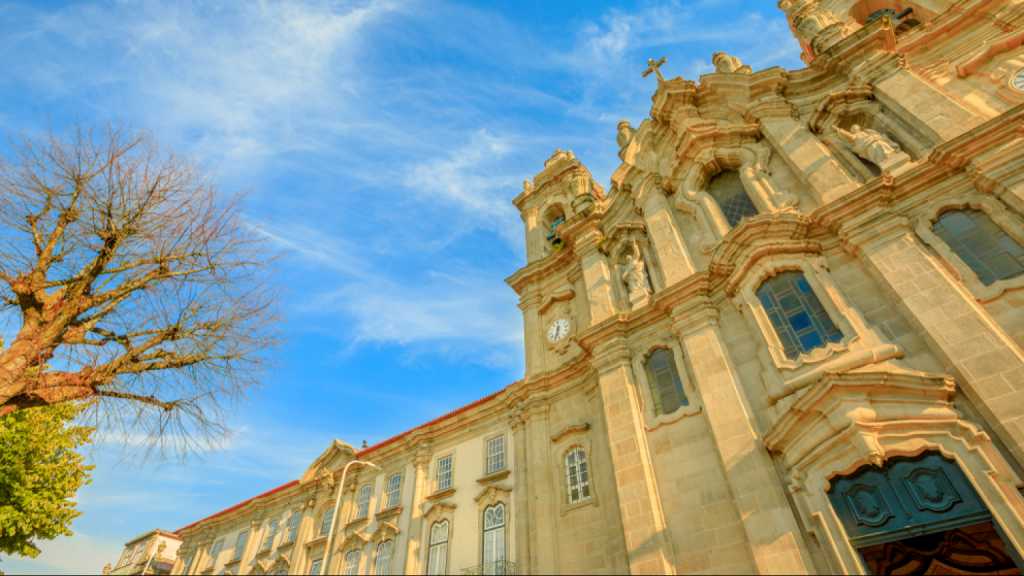
Basílica dos Congregados
Monument & HeritageThe Basílica dos Congregados is located in Braga in the city's St. Joseph of St. Lazarus parish. This church was designed by the acclaimed architect André Soares, and was started in the 16th century but completed in the 20th century. When…
- Braga
- Religious
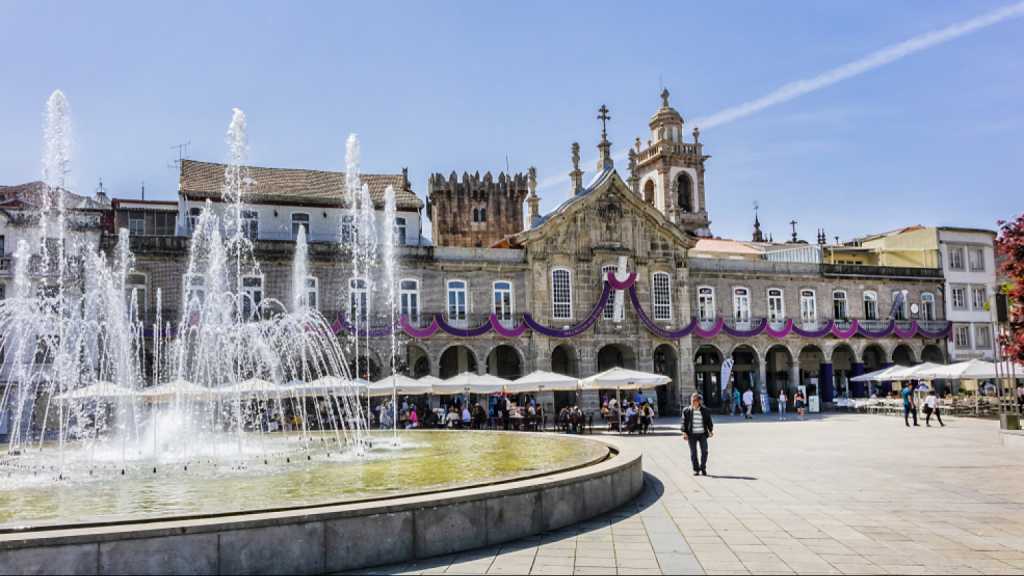
Praça da República
Place of InterestThe Praça da República, also known as the Arcade, is the center of Braga and is located in the Parish of São José de São Lázaro. …
- Braga
- Green Space
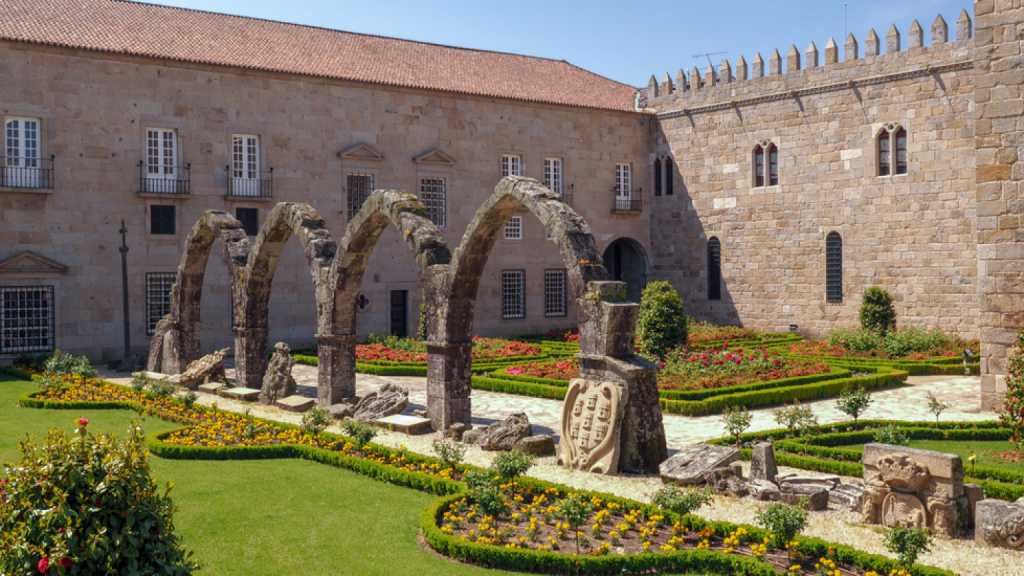
Jardim de Santa Barbara
Green SpaceThe Jardim de Santa Barbara was named after the fountain you find on Saint Barbara's premises. This statue of Saint Barbara was once at the Convent of Remédios but has been located in this beautiful botanical location. Braga has a historic center,…
- Braga
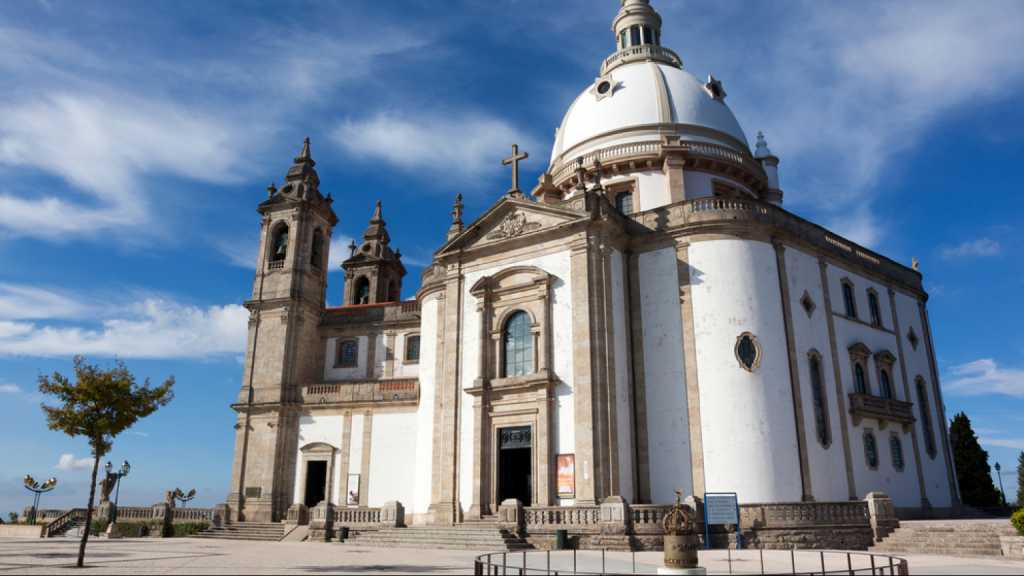
Santuário do Sameiro
ReligiousThe Sanctuary of Sameiro originated in 1863 when a well-known priest by the name of Martinho da Silva placed the first stone on top of a hill so that its construction could begin. …
- Braga
- Viewpoint
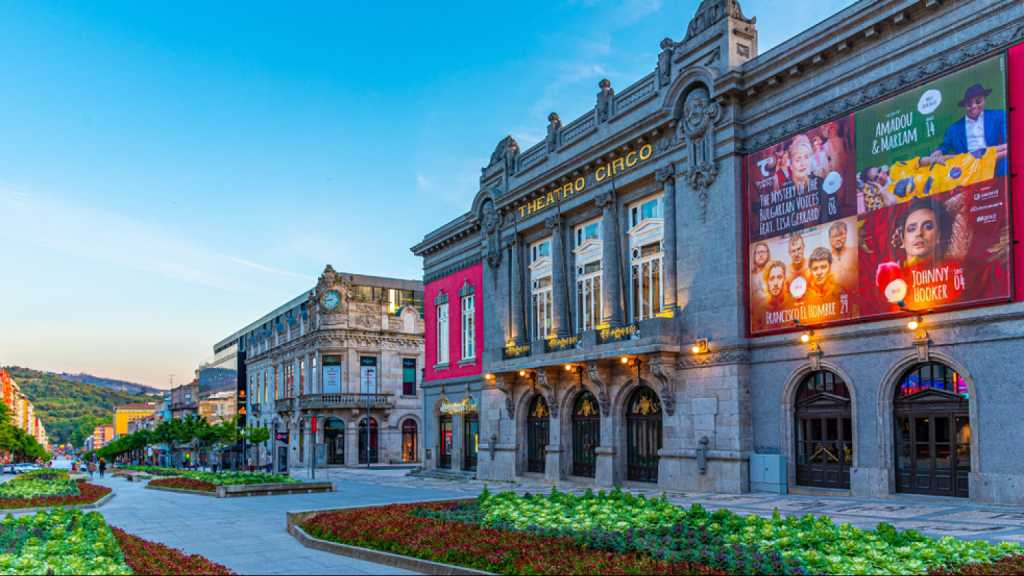
Theatro Circo
Spectacle RoomTheatro Circo is easily accessible in the center of the city of Braga and is currently considered the most prestigious theater in Braga. …
- Braga
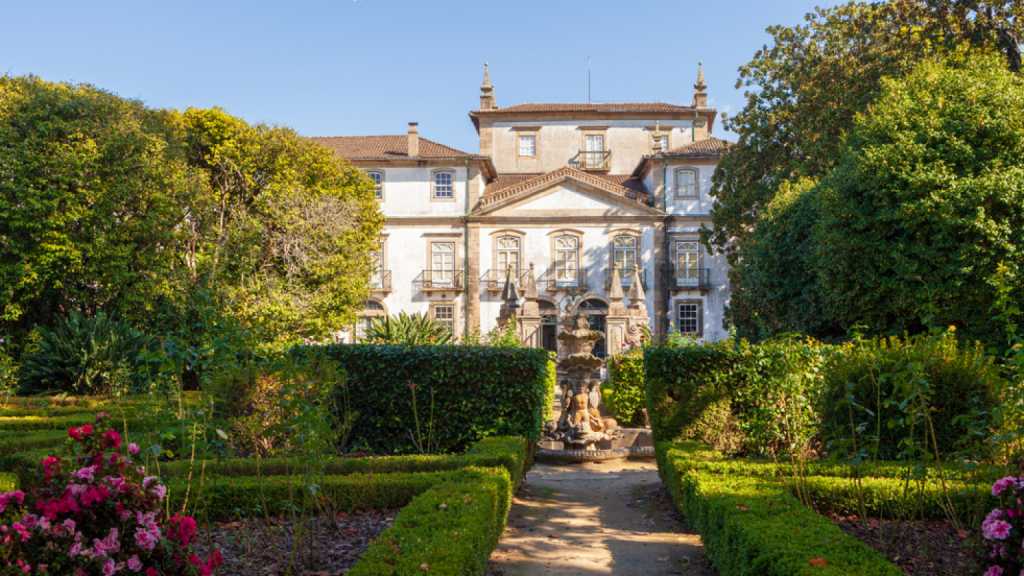
Museu dos Biscaínhos
MuseumThe Museu dos Biscainhos was built in the 17th century and is located in the parish of the Cathedral. This location has undergone many renovations over the years and was the property of the Viscountess of Nespereira Palace in the 19th century. A…
- Braga
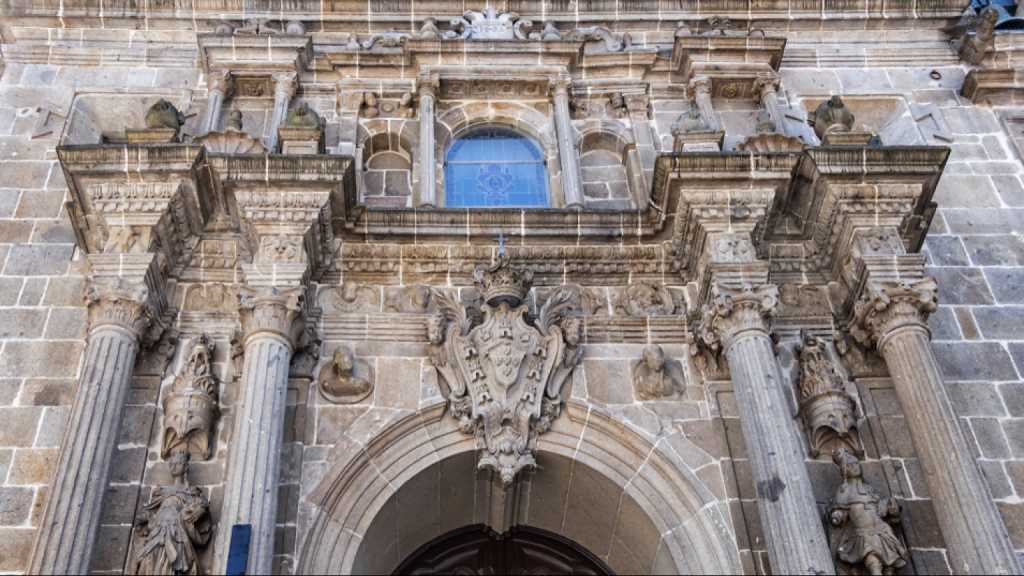
Igreja da Misericórdia de Braga
Monument & HeritageThe Igreja da Misericórdia de Braga is one of the most important renaissance churches in the city of Braga, and this is in spite of renovations that occurred in the 18th and 19th centuries. Although the Igreja da Misericórdia looks like an…
- Braga
- Religious
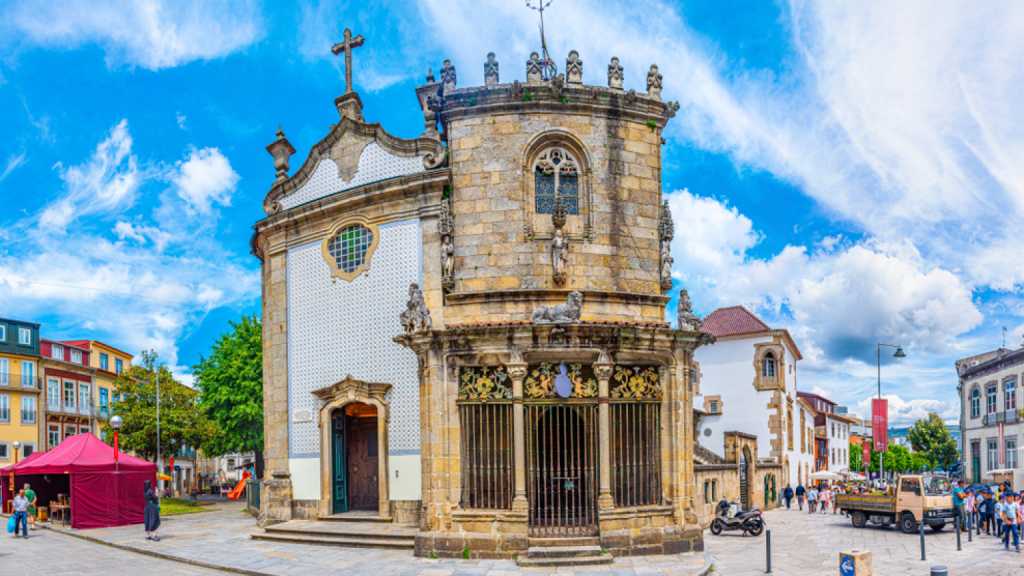
Casa e Capela dos Coimbras
Monument & HeritageThe Coimbras Chapel started as a residence of the Coimbras family. D. João de Coimbra bought the home in 1505 and then built a chapel between 1525 and 1528. This is considered an annex of the São João do Souto church.…
- Braga
- Museum
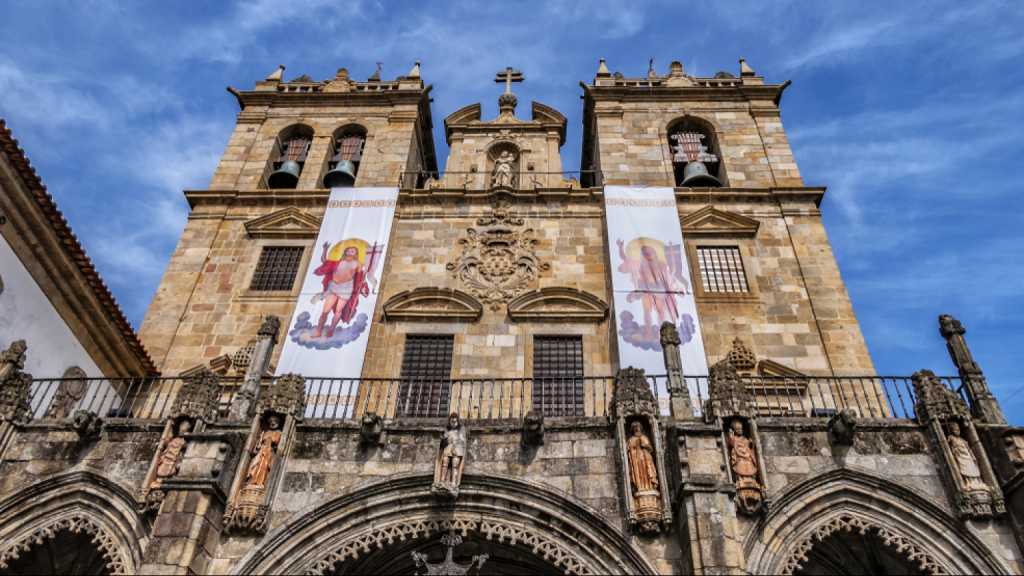
Catedral de Braga
Monument & HeritageThe Catedral de Santa Maria is located inside the Cathedral Parish in the county of Braga. This is the original bishopric seat that São Tiago Maior founded, and the first bishop was São Pedro de Rates. This church is regarded as one of the most…
- Braga
- Religious
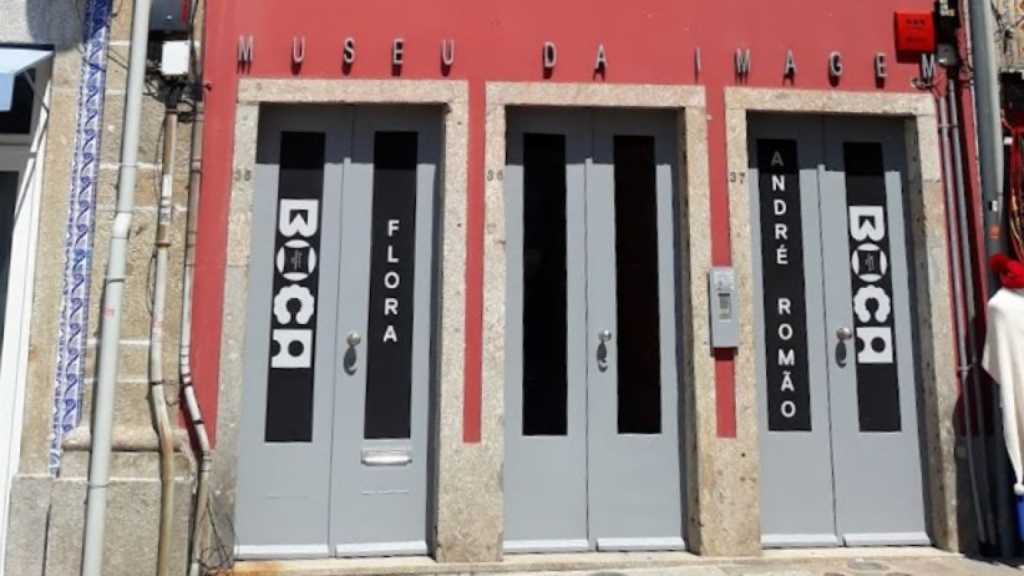
Museu da Imagem
MuseumFounded in 1999, the Museu da Imagem is located in Braga in one of the old medieval wall towers. This museum was born to show the public the evolution of photography and the city itself.…
- Braga
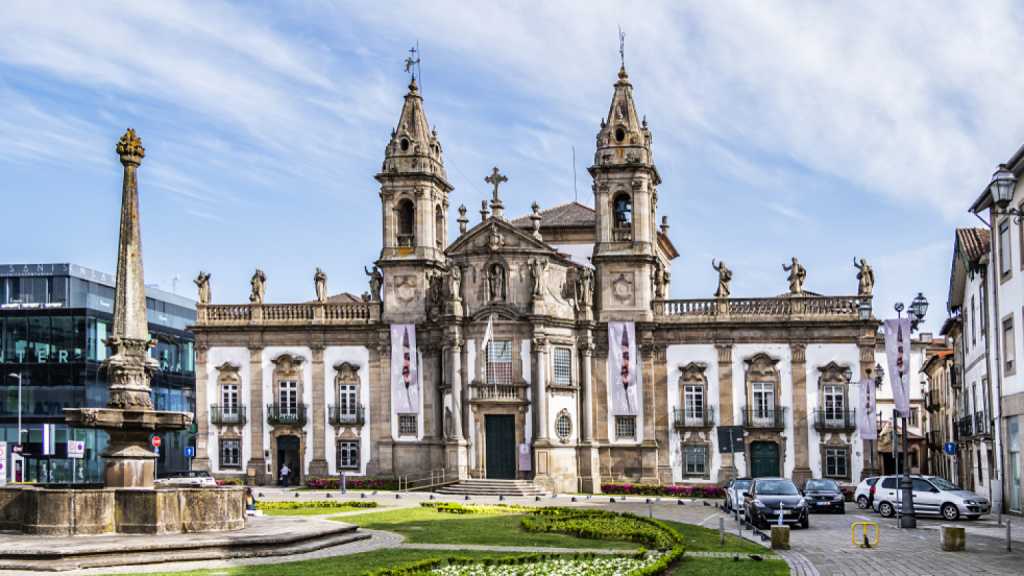
Igreja de São Marcos
Monument & HeritageIgreja de São Marcos, also known as St. Mark’s Church, is owned by the Santa Casa da Misericórdia de Braga and it is also the church of the Hospital of S. Marcos. This church was constructed during the 18h century and the commission was given to…
- Braga
- Religious
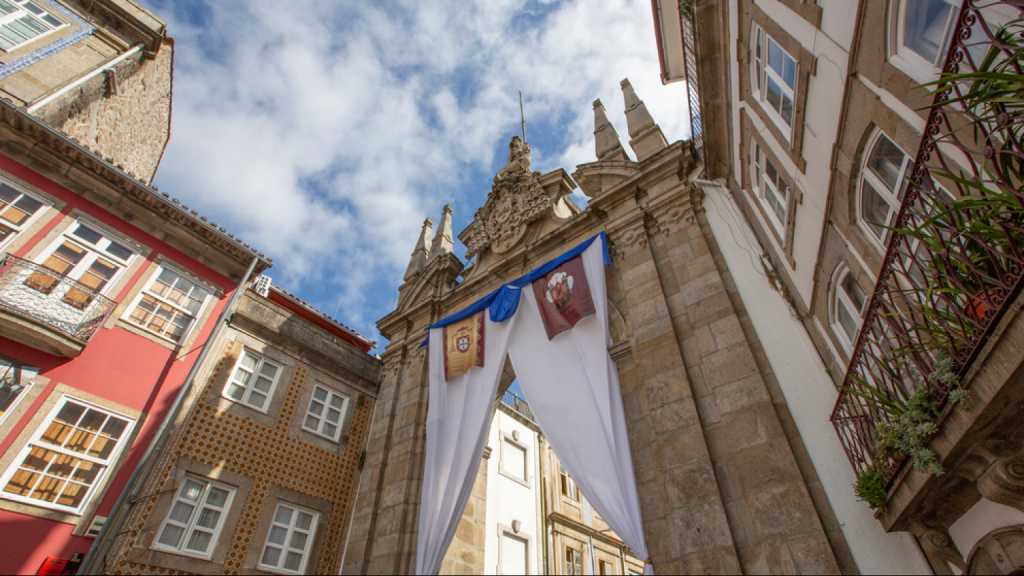
Arco da Porta Nova
Monument & HeritageThe Arco da Porta Nova is famous for its Neoclassical arch and Baroque influences. This architectural location was designed by André Soares in the 18th century and is located in Braga in the parish of Se. King Fernando is responsible for completing…
- Braga
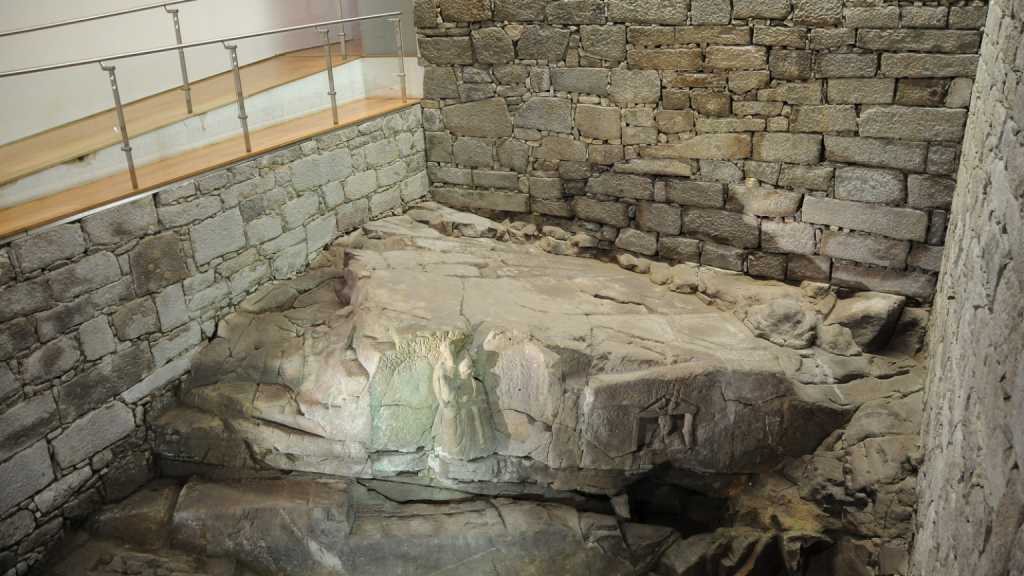
Fonte do Ídolo
Monument & HeritageThe Fonte do Ídolo, Fountain of the Idol is a famous Roman fountain. This rock is located in Callaici Bracari and is made of granite rock with many Latin inscriptions dedicated to various Lusitanian and Gallaecian gods. This piece was built in the…
- Braga
- Archaeological
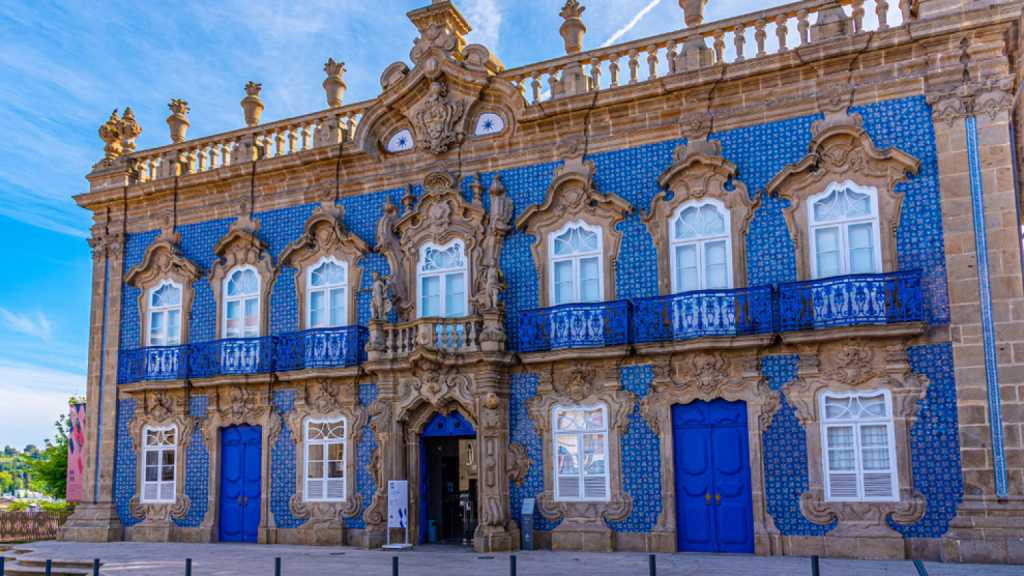
Palácio do Raio
Monument & HeritageThe Palácio do Raio is a palace designed in the Baroque era and one of the most ornate palaces in Portugal. The initial construction was requested by João Duarte de Faria, which was a knight of the Order of Christ. André Soares is the architect to…
- Braga
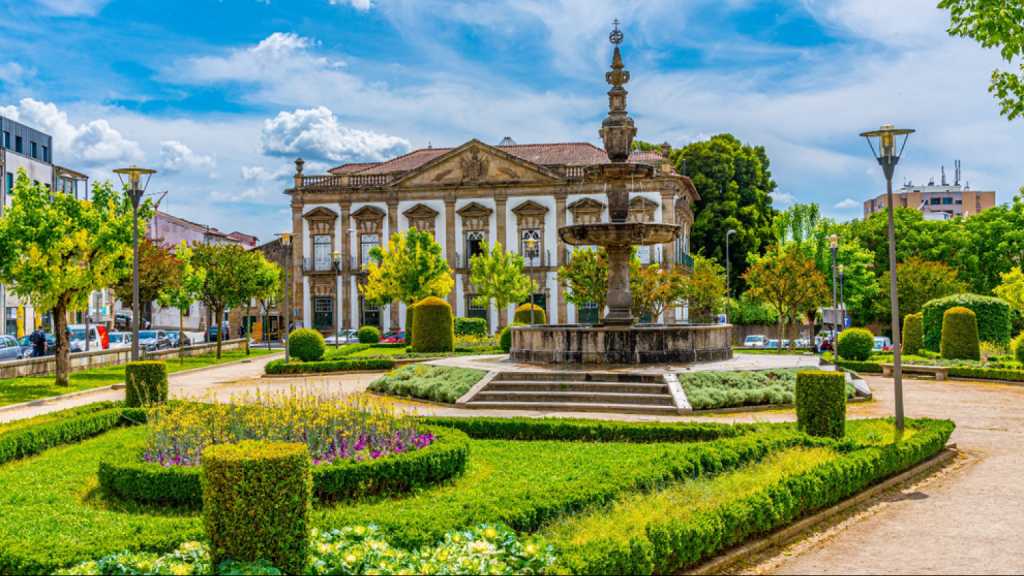
Casa Grande
Monument & HeritageCasa Grande, also known as the Casa dos Cunha Reis, is located in Braga in the parish of Cathedral. This house was built during the 18th century and is one of Braga's most influential architectural places. Built up by D. António Alexandre da Cunha…
- Braga
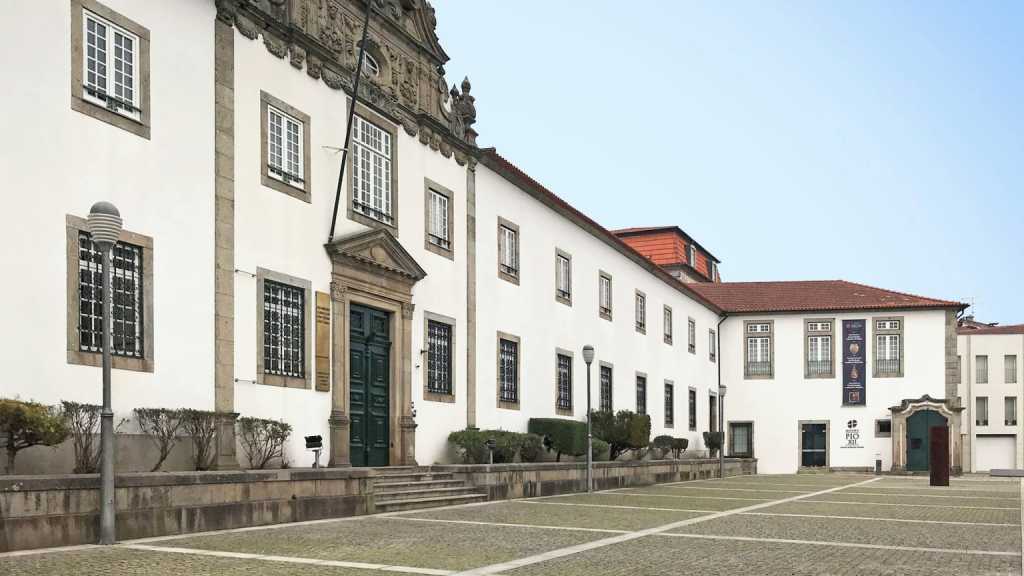
Museu PIO XII
MuseumThe Museu Pio XII, also known as the Pius XII Museum, is a museum founded in 1957 dedicated to Sacred Art and Archeology and is located in the building of Museum Medina. This location is named after Pope Pius XII, and features a wide variety of…
- Braga
- Archaeological
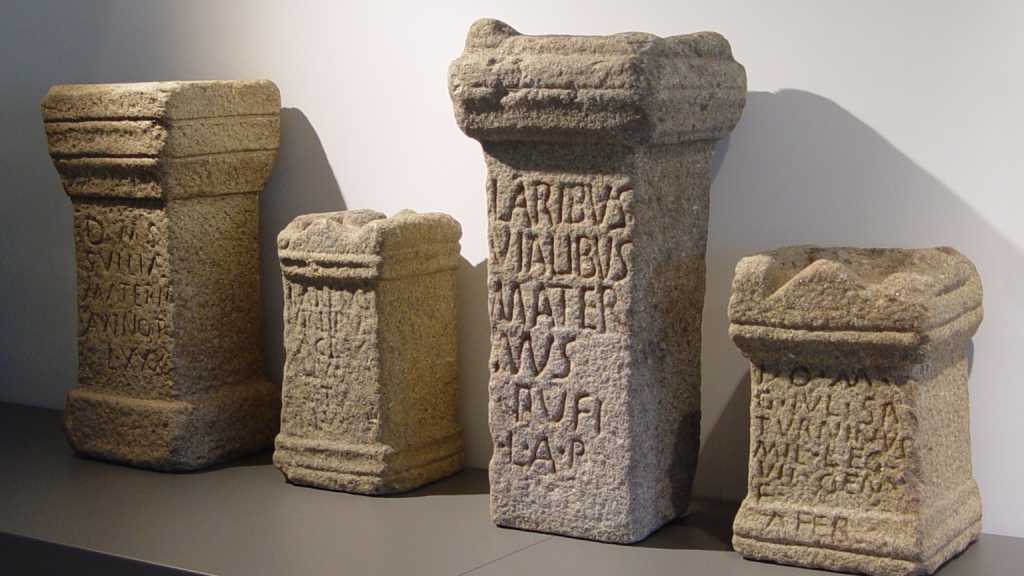
Museu D. Diogo de Sousa - Museum of Archeology
MuseumThe Museu D. Diogo de Sousa it’s a Museum of Archaeology and was founded in 1918. Initially, it was installed in the Paço Episcopal Bracarense, but this location was changed in 2007 to a building especially designed to house the museums. The…
- Braga
- Archaeological
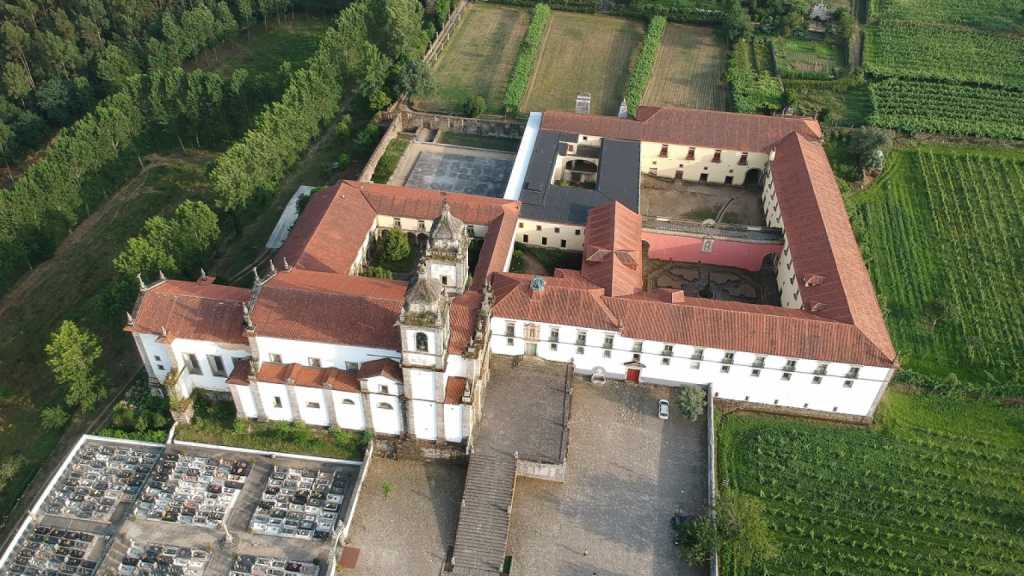
Mosteiro de São Martinho de Tibães
Monument & HeritageThe Mosteiro de São Martinho de Tibães is located near Braga in the parish of Mire de Tibães. Founded as a monastic community in the early 6th century by São Martinho de Braga, this monastery was built in 1060. This location has undergone many…
- Braga
- Museum
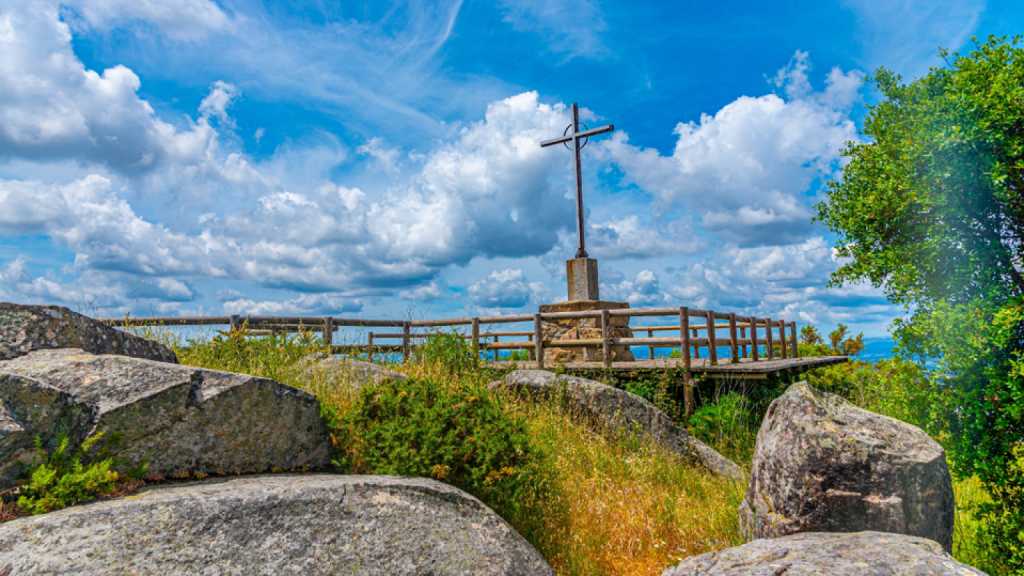
Miradouro do Monte do Picoto
ViewpointThe Miradouro do Monte do Picoto is known as the Hill Picoto, a small hill south of Braga. This is a beautiful site to visit if you are looking for the best viewpoints of the mountain. Many trails are available to those who wish to hike, and several…
- Braga
- Green Space
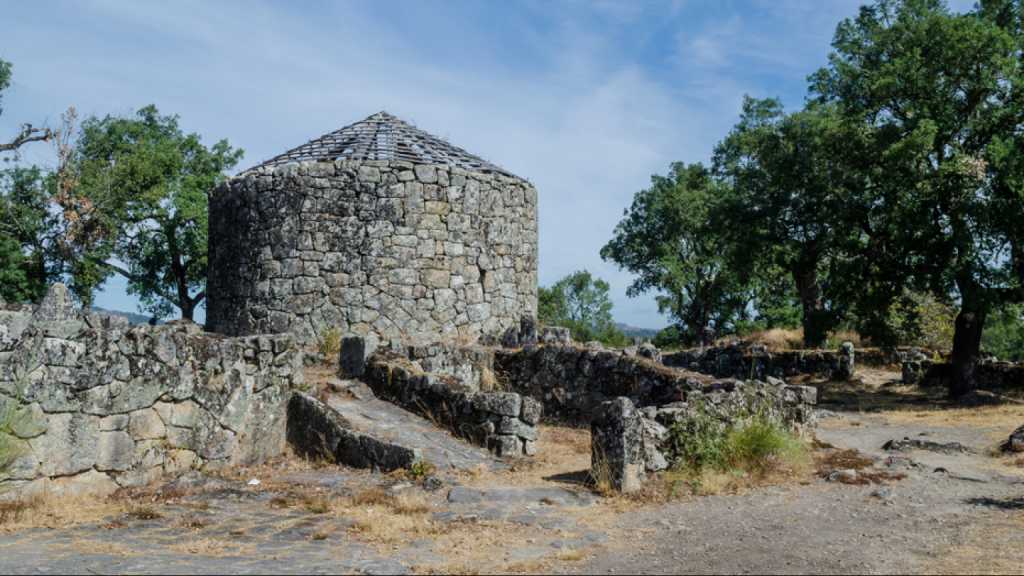
Citânia de Briteiros
Place of InterestIf you like meandering through ancient ruins and letting your mind wander imagining life at another time, then you will be enchanted by this place. Walk through the round houses, roads and walls covered in moss and surrounded by breathtaking valley…
- Guimarães
- Archaeological
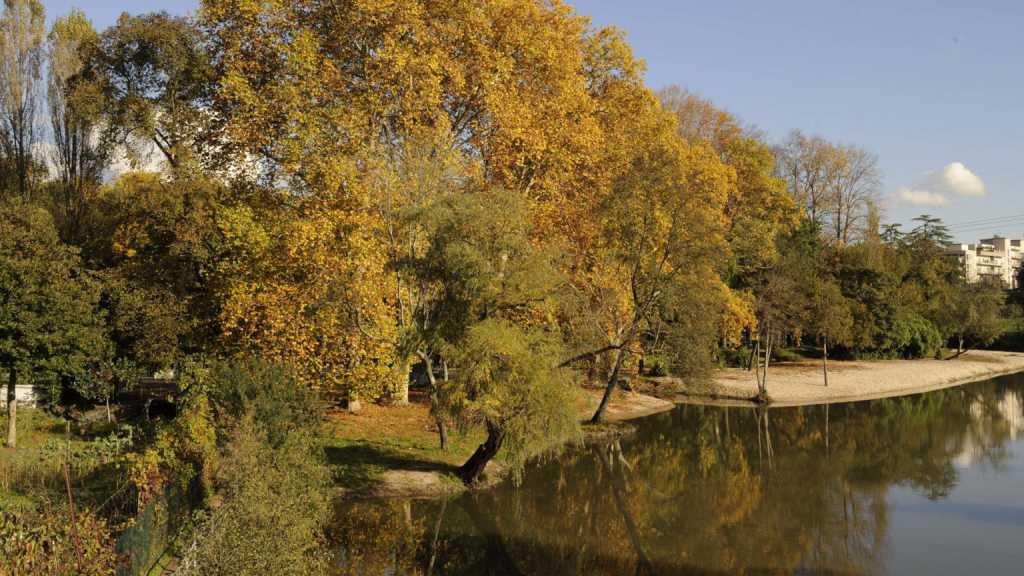
Parque de Lazer das Taipas
Green SpaceThe unique topography of Guimarães, with its many valleys, ridges, and wooded hills, offers many lovely green places to wander through. This leisure park is in the green zone, at the end of Alameda Rosas Guimarães.…
- Guimarães
- Place of Interest
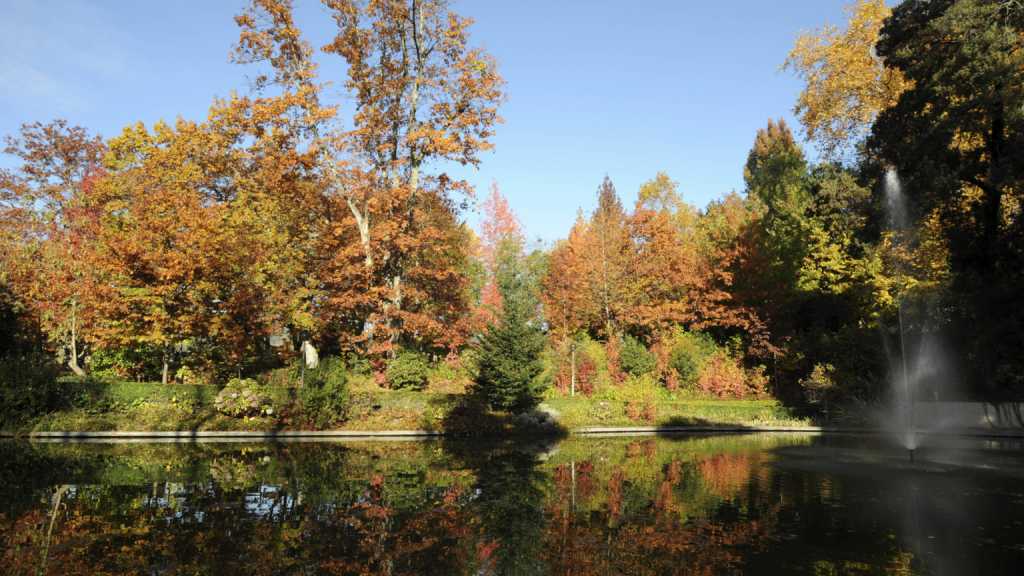
Parque S. Torcato
Green SpaceSituated in the center of the village and with an area of around 3 hectares, this scenic park offers many ways to relax and enjoy yourself.…
- Guimarães
- Place of Interest
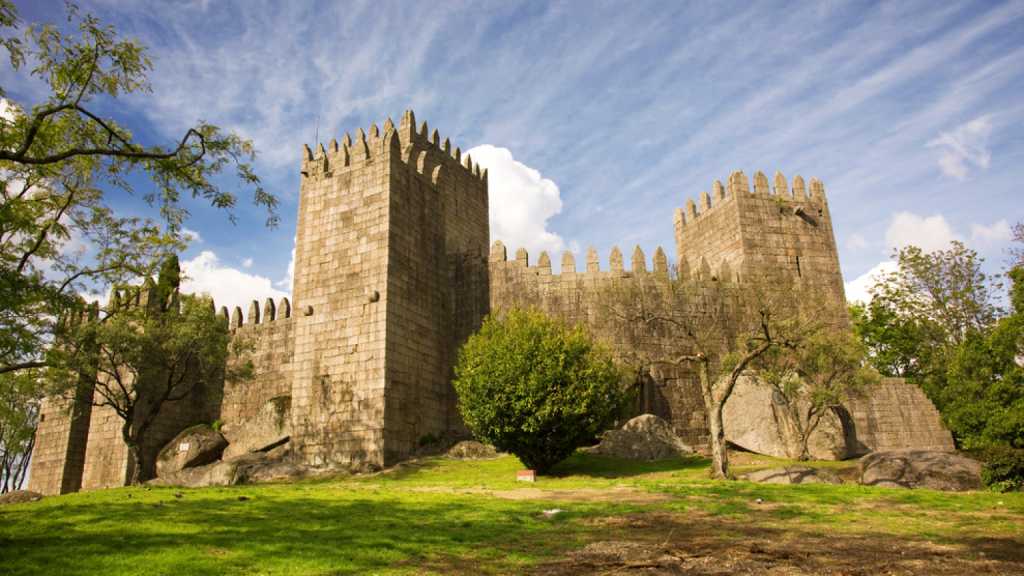
Castelo de Guimarães
Monument & HeritageHistory buffs visiting Guimarães will want to head directly to the striking rectangular towers of this castle, which dominate the skyline for miles around. This medieval structure was constructed in the 10th century to protect Guimarães from…
- Guimarães
- Castle & Fortress
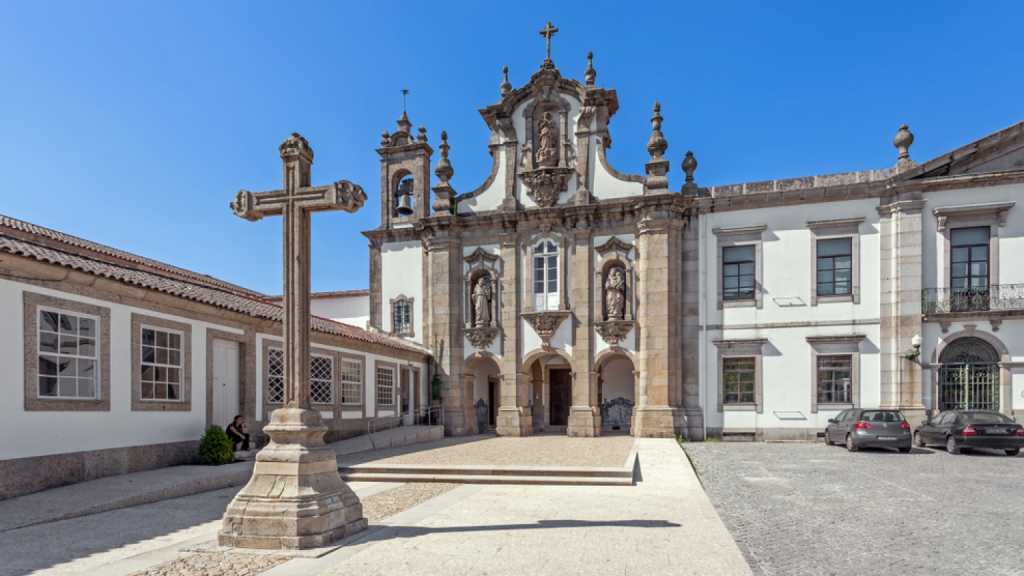
Convento de Santo António dos Capuchos
Monument & HeritageThis stunning historic building has gone through two distinct phases. Built in 1562 by the Mendicant Friars of St. Francis, it was established as a convent by Fernando de Menezes on the orders of the Commendator of the Order of Christ.…
- Guimarães
- Museum
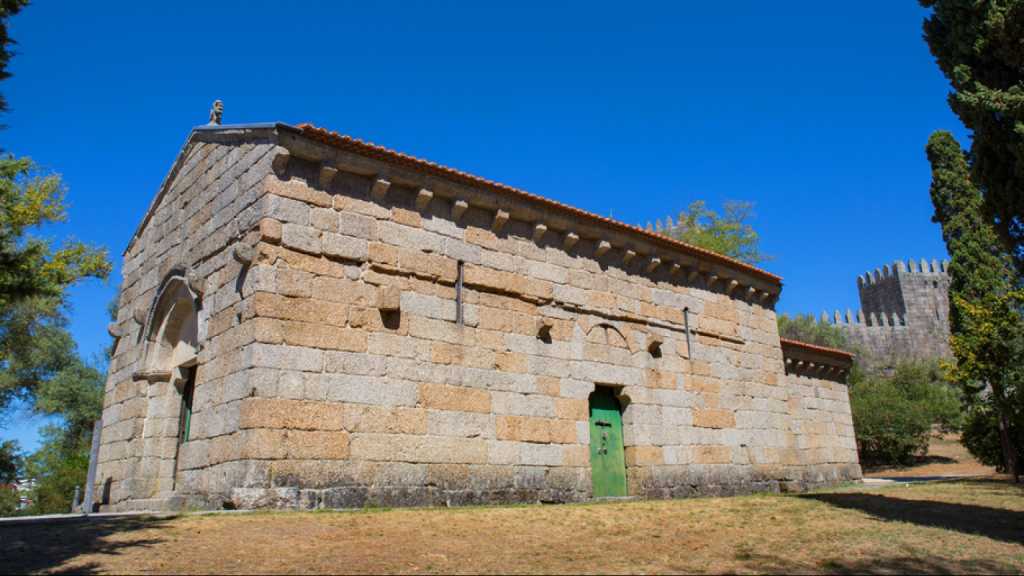
Capela de S. Miguel
Monument & HeritageStep out of the heat of the day and into this medieval stone church's cool, dark interior, first referenced in history in 1216. This church has essential links to the very foundation of the Kingdom of Portugal.…
- Guimarães
- Place of Interest
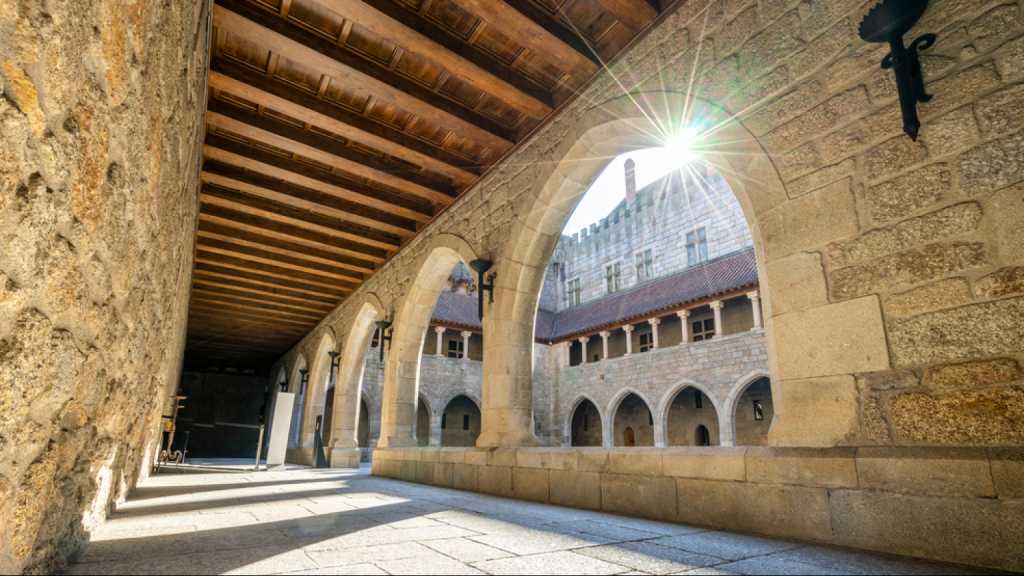
Paço dos Duques de Bragança
Monument & HeritageThe Dukes of Bragança were known for their incredible wealth and the way they promoted the artistic, urban and economic development of the village. The Palace of the Dukes of Bragança is a stunning surviving remnant of this period in history. The…
- Guimarães
- Museum
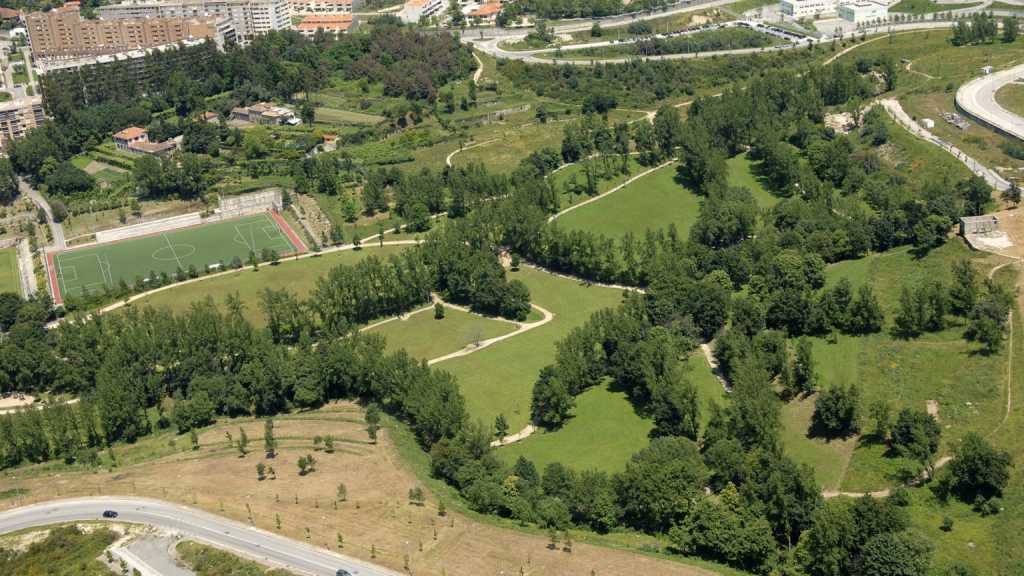
Parque da Cidade
Green SpaceFeel the sunshine on your face, listen to the breeze rustling the trees and watch the birds swooping in the sky as you enjoy a moment of calm in this beautiful city park.…
- Guimarães
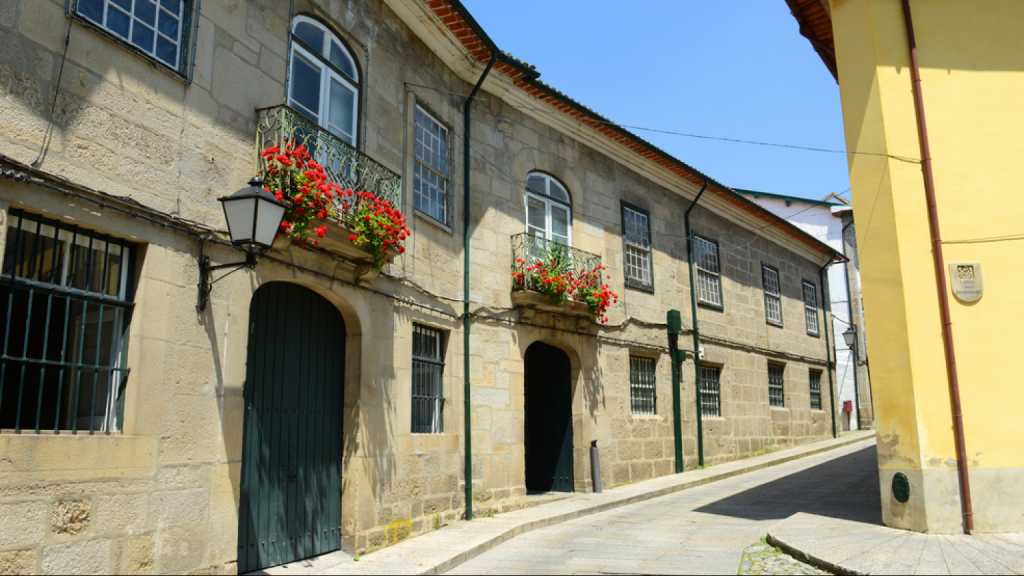
Rua de Santa Maria
Place of InterestDeep in the heart of Guimarães you will find this little narrow street - a medieval walkway that connects Largo do Carmo and Praça Oliveira. This quaint little street has been where the city's elite used to live for many centuries.…
- Guimarães
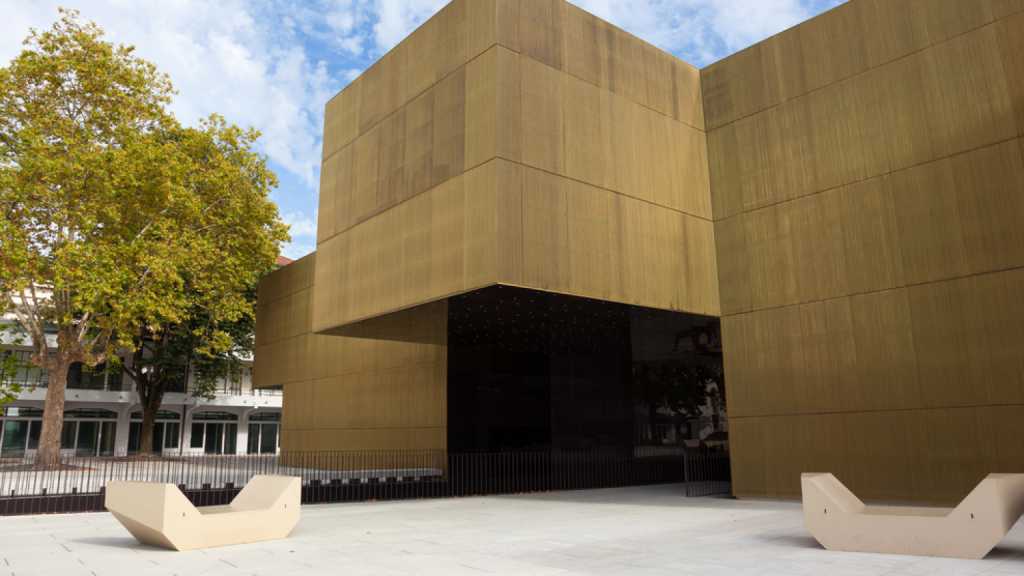
Plataforma das Artes e Criatividade
MuseumOnce the Old Market of Guimarães, this space has now been transformed into a multi-functional art space that is dedicated to creativity and innovation. …
- Guimarães
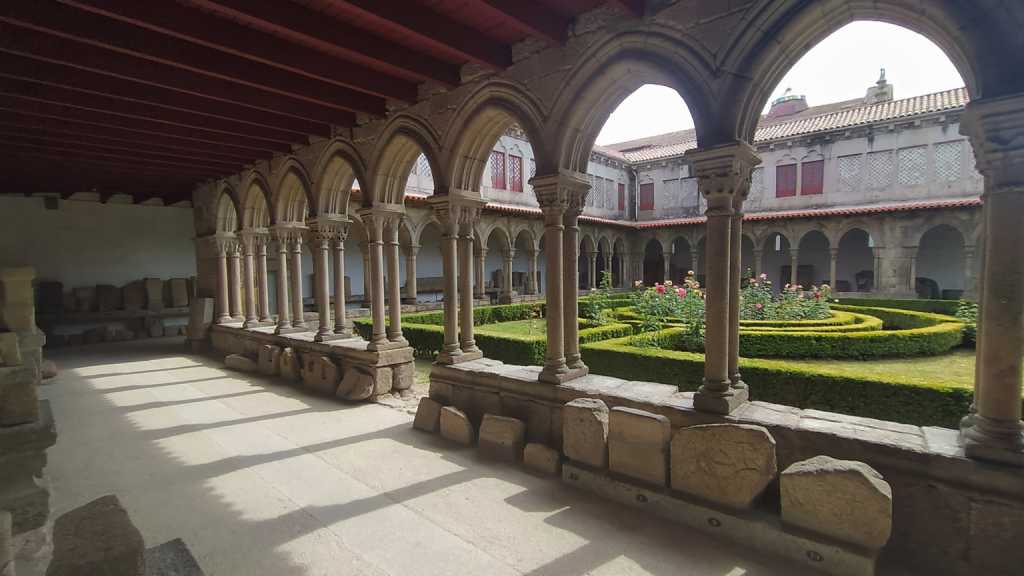
Museu Arqueológico Martins Sarmento
MuseumFounded in 1881, the Martins Sarmento Society is a vital cultural institution in the study of Celtic culture. It was named after Martins Sarmento, the archaeologist who led the excavation of the Citânia de Briteiros in 1875.…
- Guimarães
- Archaeological
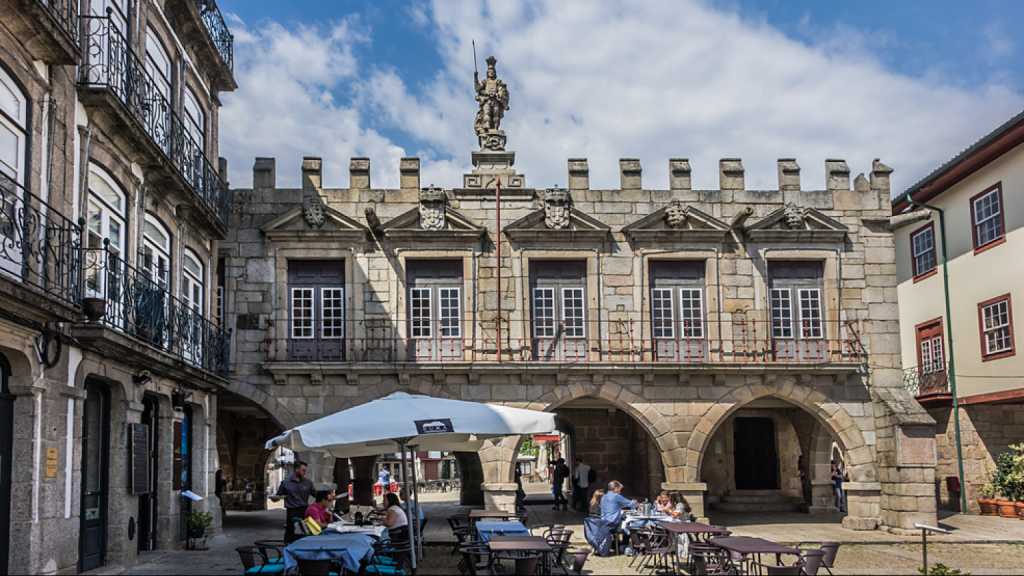
Antigos Paços do Concelho
Monument & HeritageThe 14th-century former town hall of Guimarães is perched above an expansive arcaded square between the rambling Praça de Santiago and Largo da Oliveira.…
- Guimarães
- Place of Interest
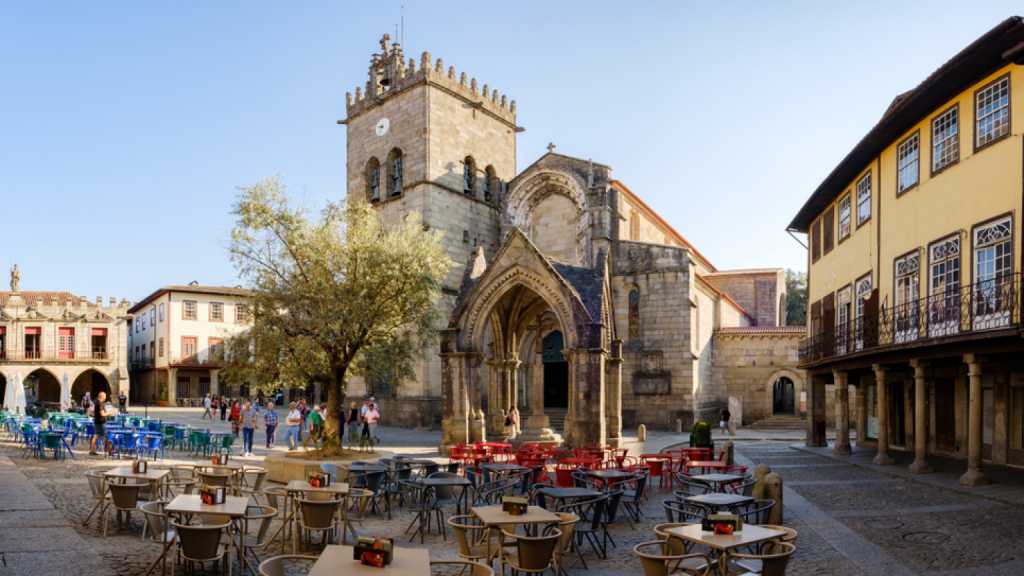
Igreja da Oliveira
Monument & HeritageLike a jewel in a crown, this ornate church sets the tone for the square of Largo da Oliveira around it. This gorgeous structure was designed by the master architect Garcia de Toledo, dating from the end of the 14th century.…
- Guimarães
- Religious
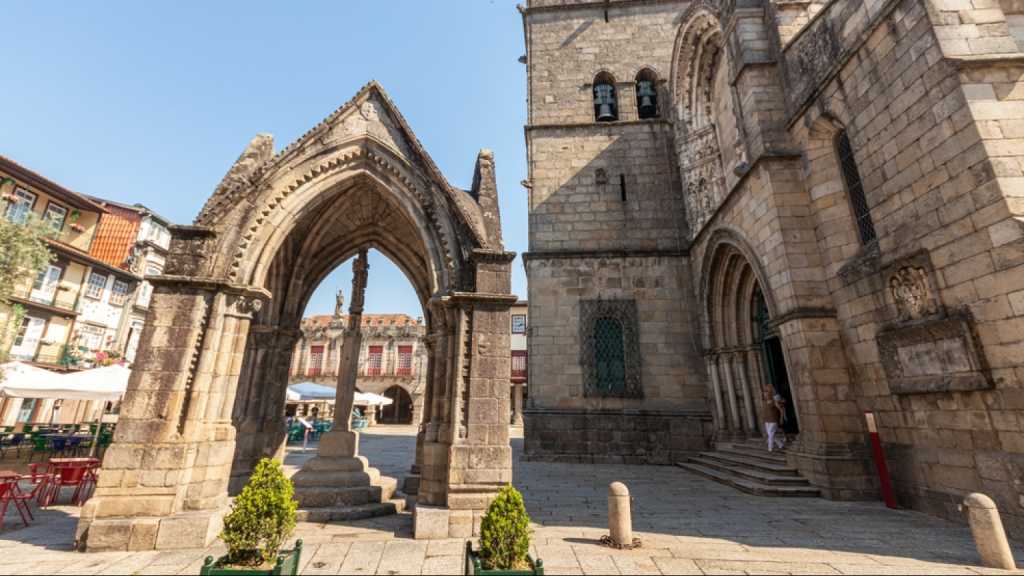
Padrão do Salado
Monument & HeritageThis important monument commemorates the Battle of Salado in 1340. It is in a prime spot - in the city's historic center opposite the Igreja da Oliveira. The monument dated back to the 14th century and was initiated by Afonso IV of Portugal.…
- Guimarães
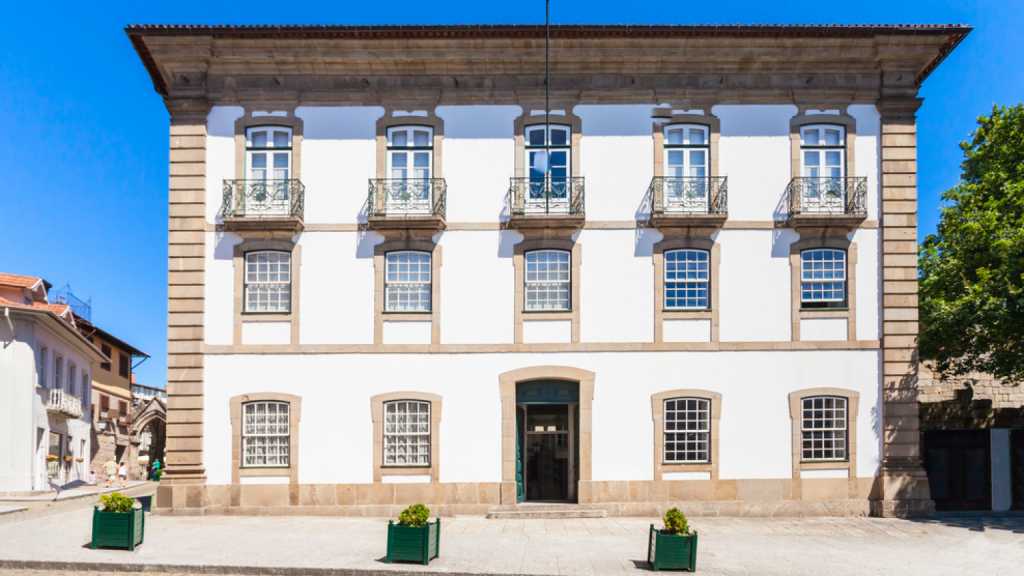
Museu Alberto Sampaio
MuseumThis cultural treasure-trove museum originated in 1928 as a way of housing the incredible collection of art and objects that belonged to the former Collegiate Church of Nossa Senhora da Oliveira, as well as the other convents and churches in…
- Guimarães
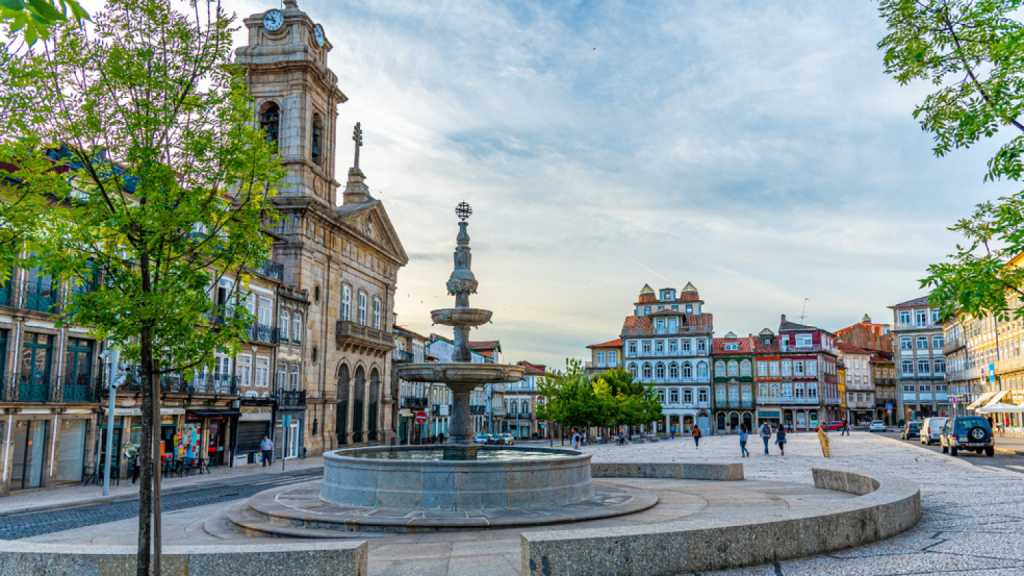
Largo do Toural
Place of InterestThis picturesque square is a beautiful place to start exploring the old town. It is packed with history - containing some of the oldest traditional shops in the city, some more than 100 years old.…
- Guimarães
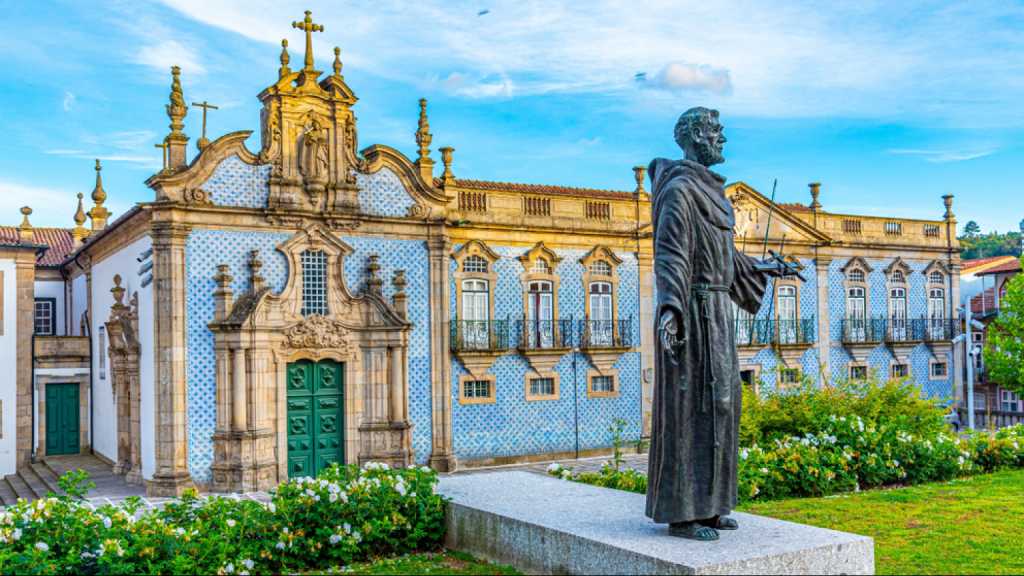
Igreja de S. Francisco
Monument & HeritageMore than just another great old church, the Igreja de S. Francisco has a unique blend of architecture and a remarkably well-preserved interior well worth visiting.…
- Guimarães
- Religious
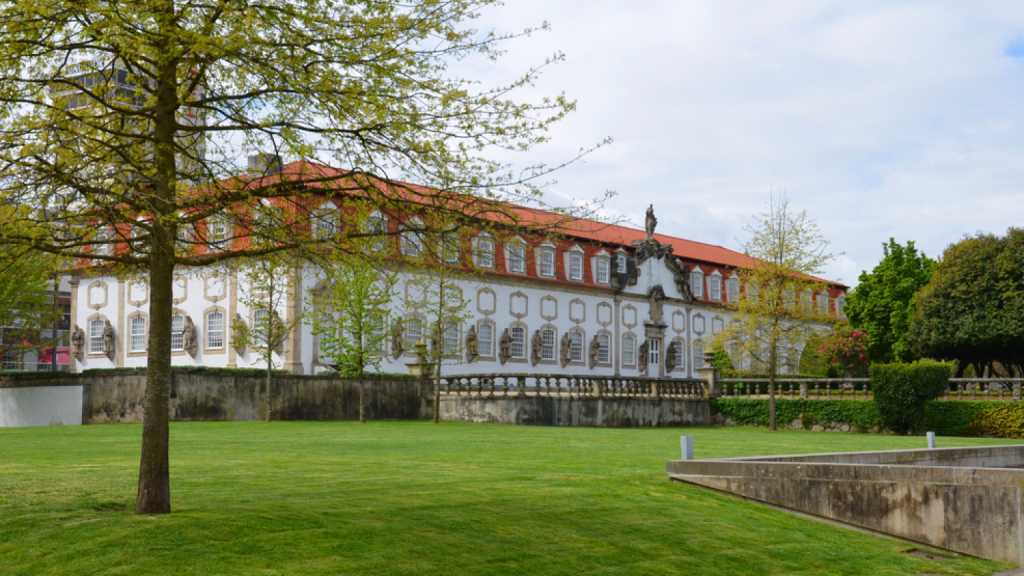
Palácio e Centro Cultural Vila Flor
Monument & HeritageBuilt in the mid-18th century by the Carvalhos family, this stunning palace is decorated with several granite statues depicting the first kings of Portugal. Later, it belonged to the Jordão family, who completed the work begun by Tadeu Luis Antonio…
- Guimarães
- Spectacle Room
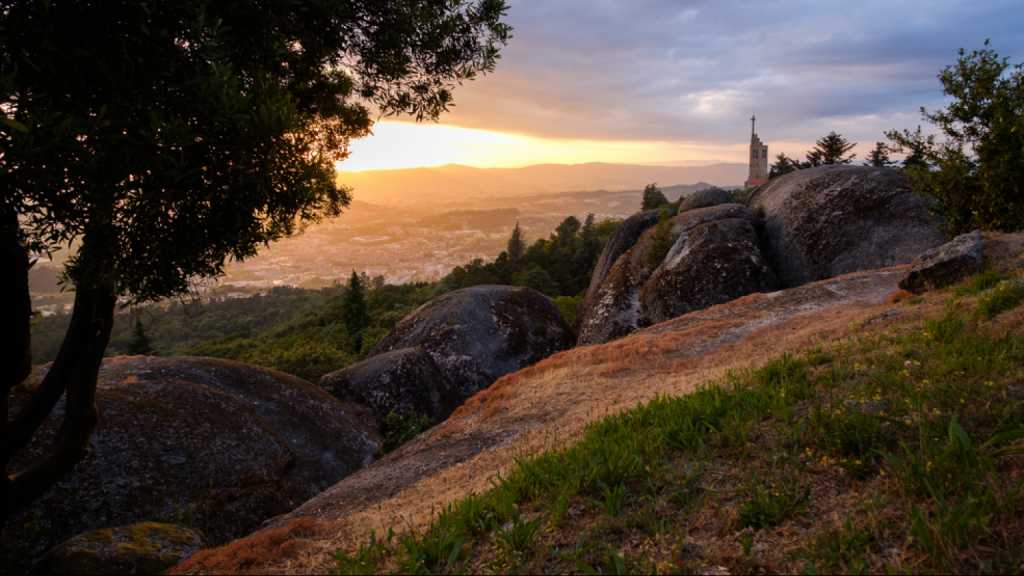
Santuário da Penha
ReligiousThe Santuário da Penha, “Sanctuary of the Rock,” is perched on the Monte da Penha - the highest point for several miles.…
- Guimarães
- Viewpoint
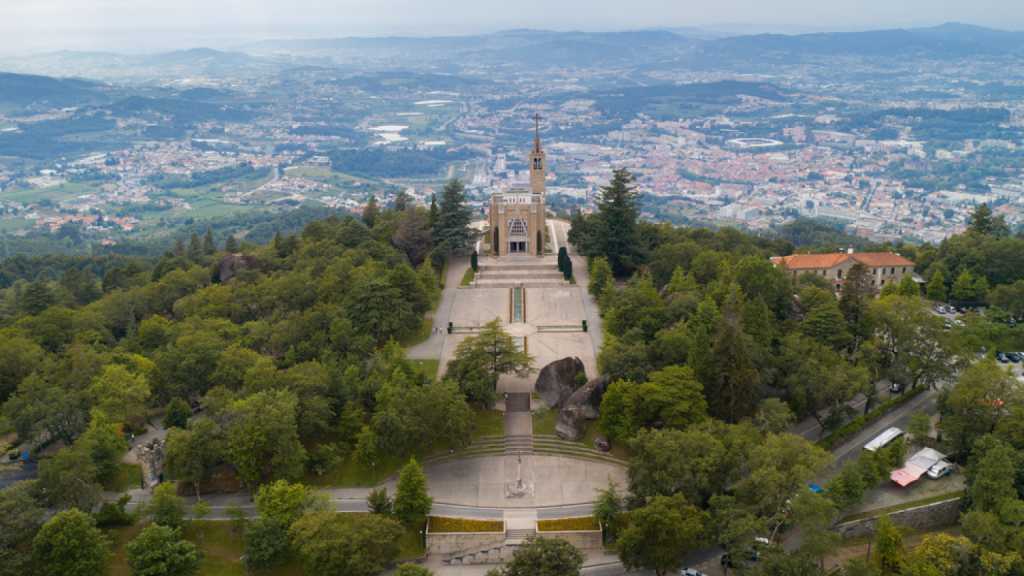
Parque da Penha
ReligiousThis complex of chapels and churches is a lovely place to pause for thought, a restful haven on top of the mountain. At the highest point in Guimarães, you can enjoy views of the entire city and surroundings.…
- Guimarães
- Viewpoint
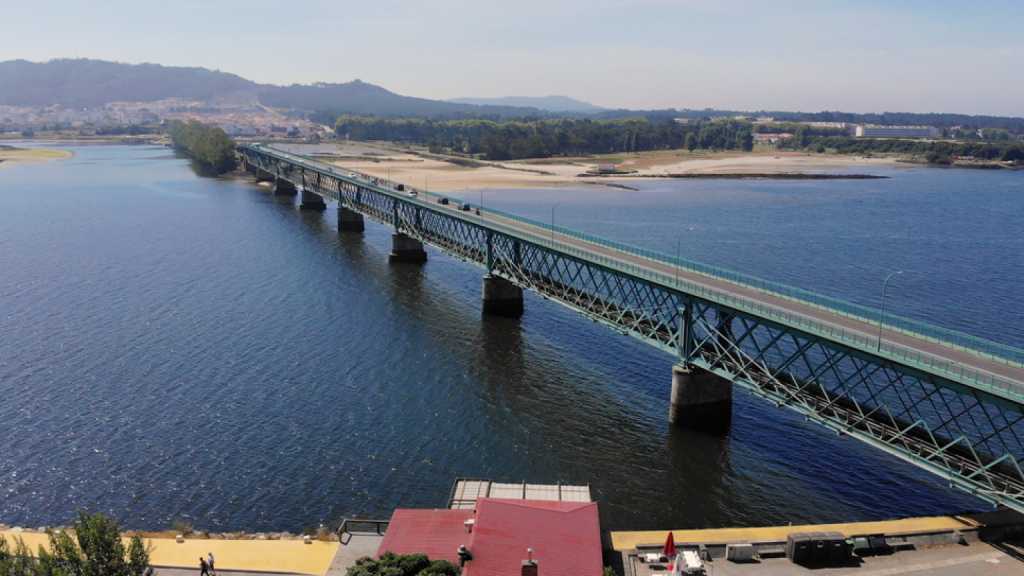
Ponte Eiffel
BridgeThe Eiffel Bridge or Ponte Rodo-Ferroviária de Viana do Castelo, was designed by Gustave Eiffel and inaugurated on June 30, 1878. This iron structure, 645 meters long, has two metal decks: the upper deck for car and pedestrian traffic and the lower…
- Viana do Castelo
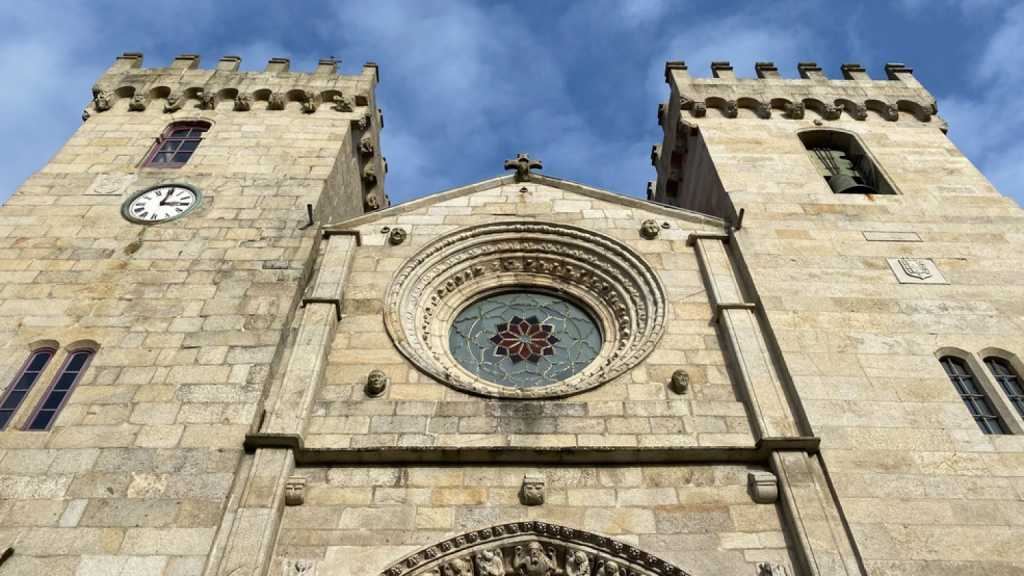
Catedral de Viana
Monument & HeritageThe Cathedral of Viana do Castelo is known by the names Igreja de Santa Maria Maior, Igreja Paroquial de Viana do Castelo, Sé de Viana do Castelo, and Igreja Matriz de Viana do Castelo. …
- Viana do Castelo
- Religious
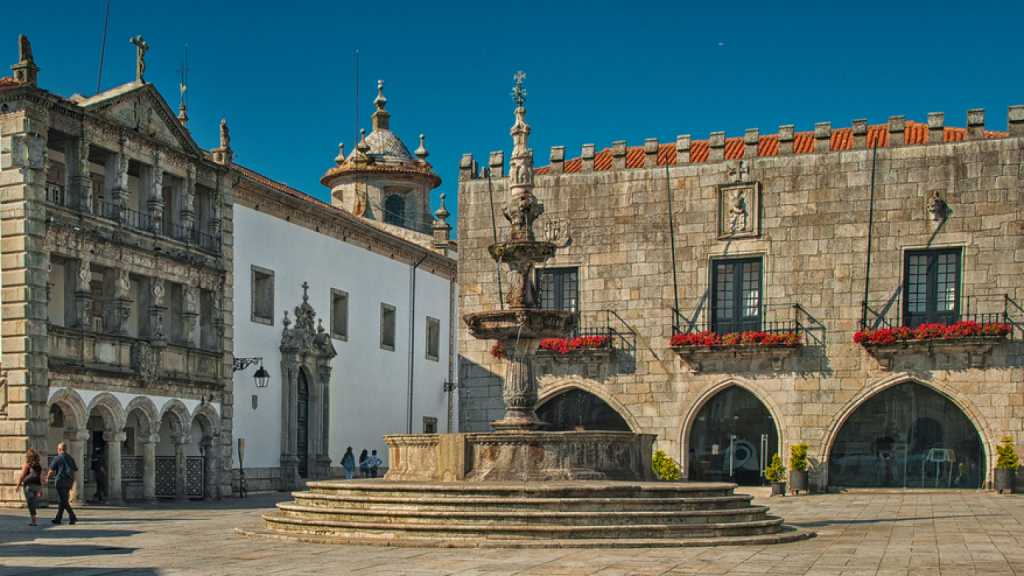
Praça da República
Place of InterestPraça da República, previously known as Campo do Forno and Praça da Rainha is located in the historic center, in the heart of the city of Viana de Castelo. …
- Viana do Castelo
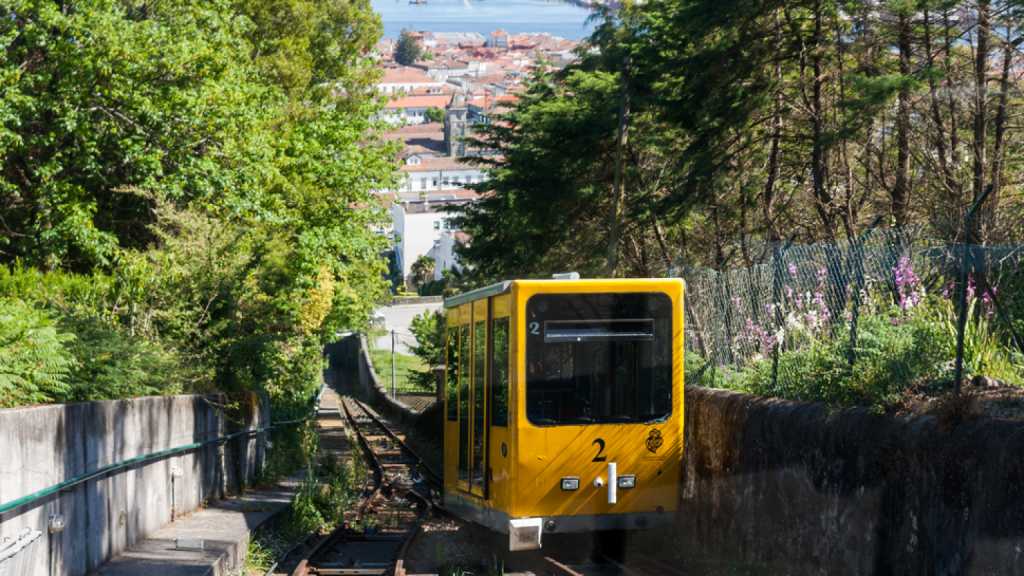
Elevador de Santa Luzia
TransportsThe Elevador de Santa Luzia, placed in Monte de Santa Luzia, in Viana do Castelo, is a funicular that connects the Railway Station of Viana do Castelo to the Sanctuary of Santa Luzia.…
- Viana do Castelo
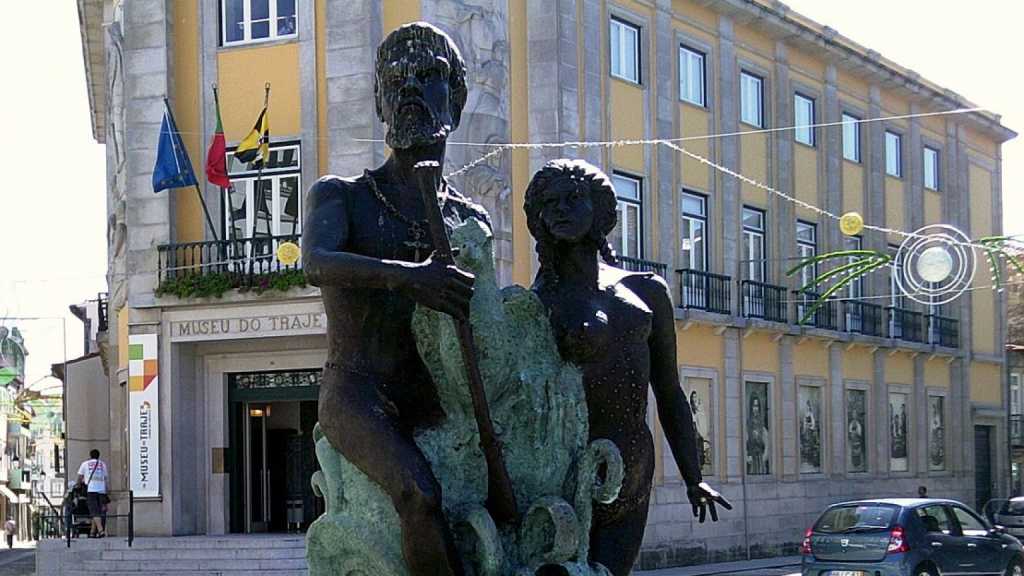
Museu do Traje
MuseumThe Museu do Traje lies in the historical center of Viana de Castelo, more specifically in Praça da República.…
- Viana do Castelo
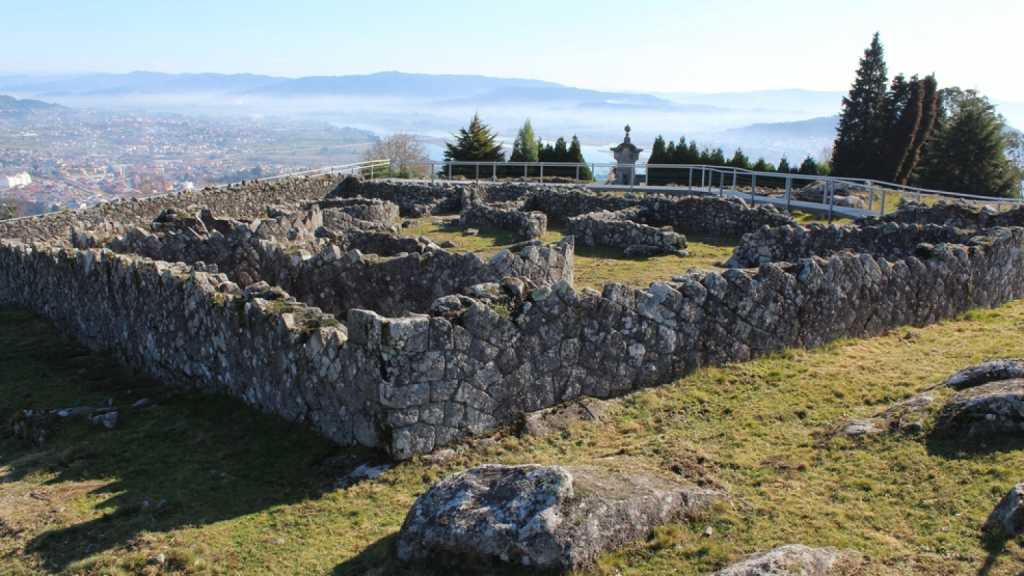
Citânia de Santa Luzia
Place of InterestThe Citânia de Santa Luzia, also known as Cidade Velha, is a fortified settlement from the Iron Age and Roman times. The history of these ruins dates back to the 17th century, although the occupation of this entire space is between the 8th century…
- Viana do Castelo
- Archaeological
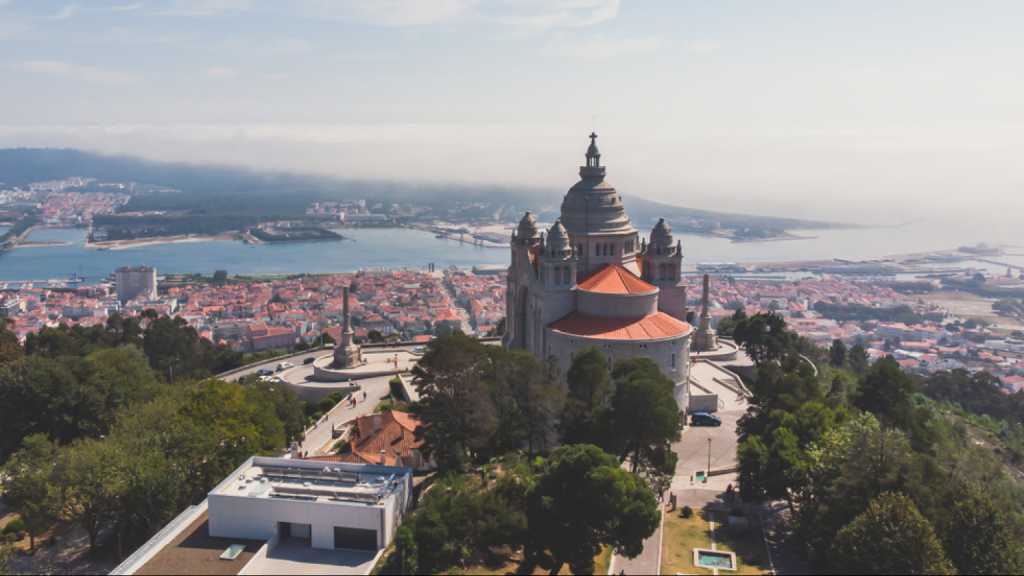
Santuário de Santa Luzia
ReligiousThe Mount of Santa Luzia Sanctuary or Diocesan Sanctuary of the Sacred Heart of Jesus is located on the hill of Santa Luzia, in the parish of Santa Maria Maior, in the city of Viana do Castelo.…
- Viana do Castelo
- Viewpoint
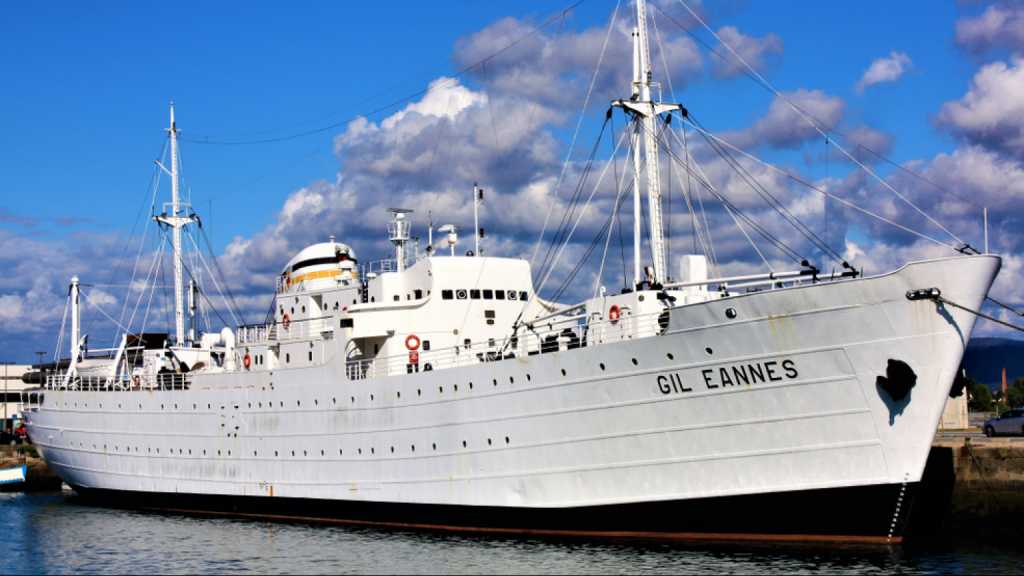
Navio Gil Eannes
MuseumThe Gil Eannes Ship, built-in 1955 at Estaleiros Navais de Viana do Castelo, served for several decades as a support to the Portuguese codfish fleet in the regions of Newfoundland, the Grand Bank, and Greenland. Throughout its lifetime, this ship…
- Viana do Castelo
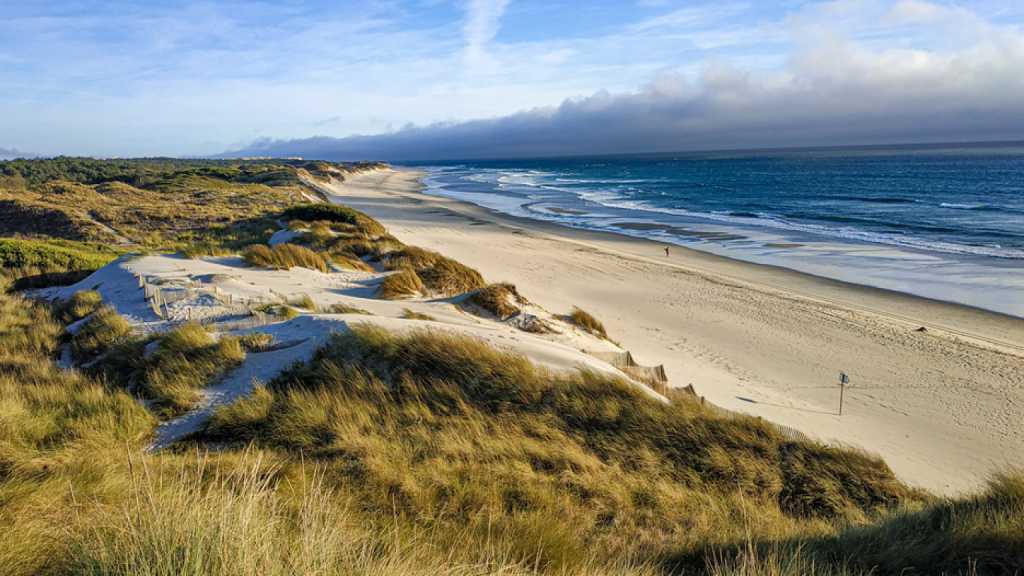
Praia do Cabedelo
BeachCabedelo Beach, also known as Praia de Norte Darque, is located on the south bank of the Lima River estuary in Viana do Castelo.…
- Viana do Castelo
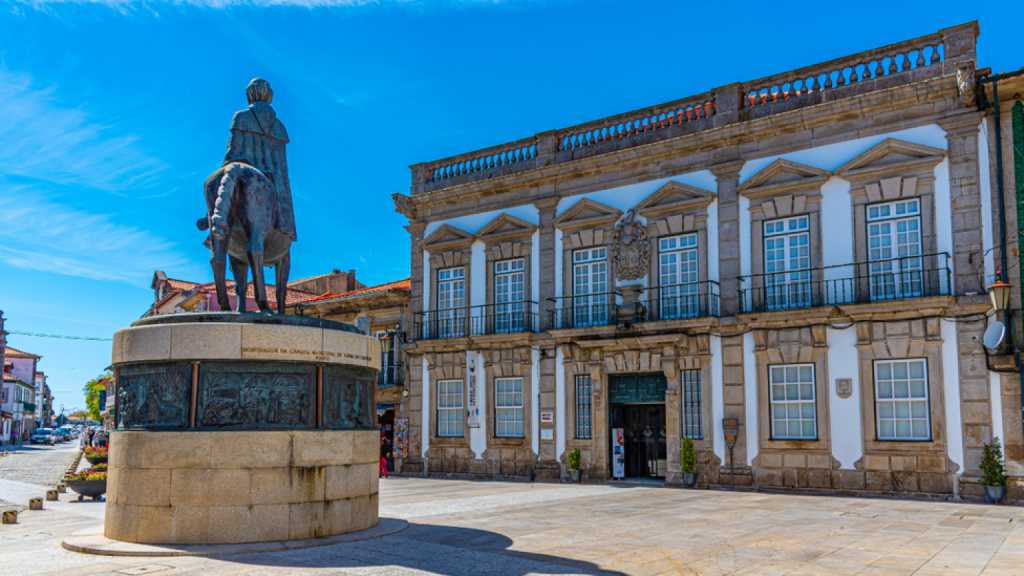
Museu Municipal de Artes Decorativas
MuseumThe Museu Municipal de Viana do Castelo is set in the charismatic building known as Casa dos Barbosa Maciel in São Domingos square. This building dates back to the 18th century and is composed of baroque lines and classical elements, such as the…
- Viana do Castelo
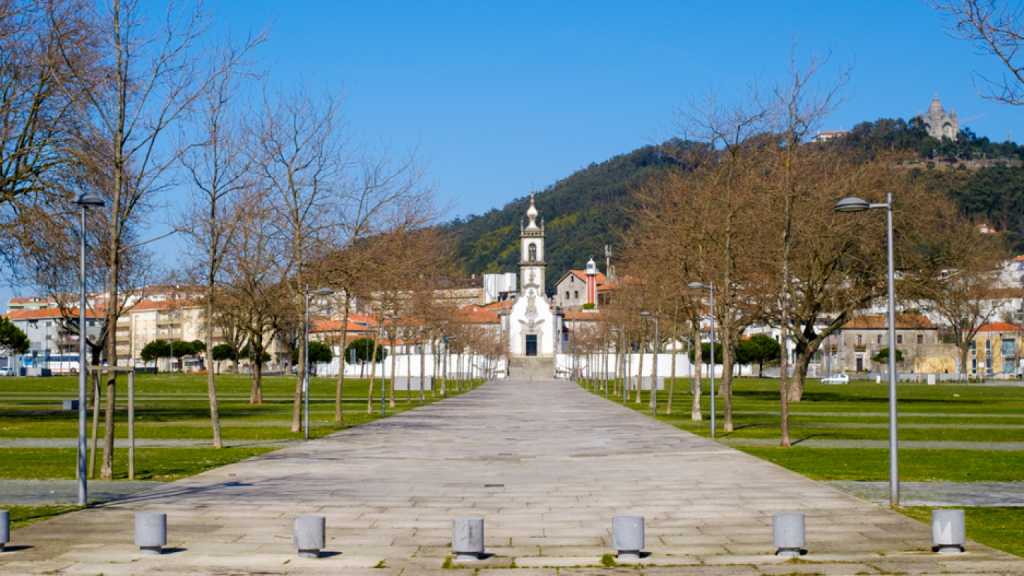
Igreja Senhora da Agonia
Monument & HeritageThe origin of the Church of Senhora da Agonia in Viana de Castelo dates back to the 17th century. Here there was a small chapel that, over the years, has undergone several architectural works. This church is deeply connected to fishing activity, as…
- Viana do Castelo
- Religious
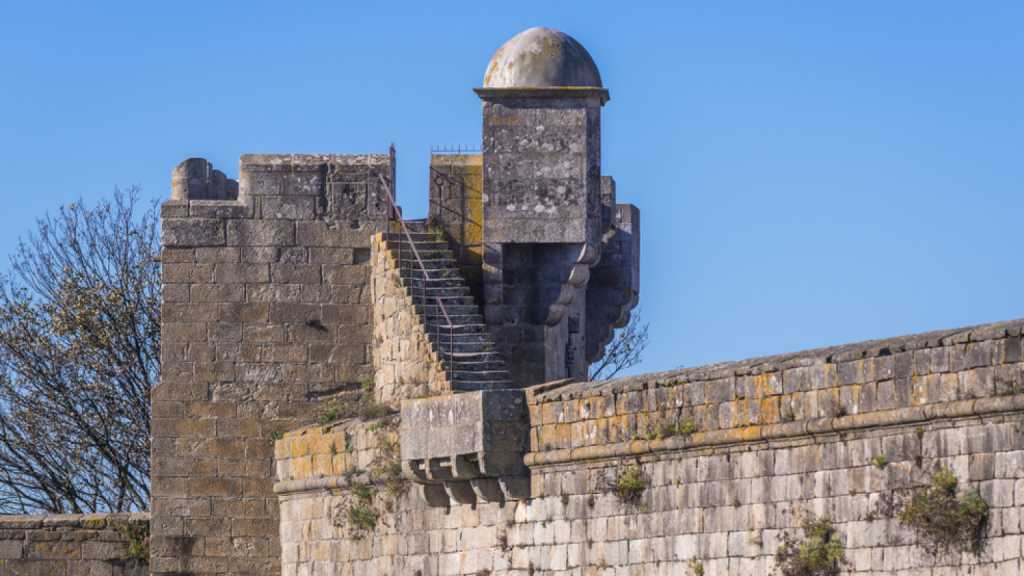
Forte de Santiago da Barra
Monument & HeritageThe Santiago da Barra Fort, also known as Santiago da Barra Castle or São Tiago Maior da Barra Castle, is located in the parish of Monserrate and the city of Viana do Castelo.…
- Viana do Castelo
- Castle & Fortress
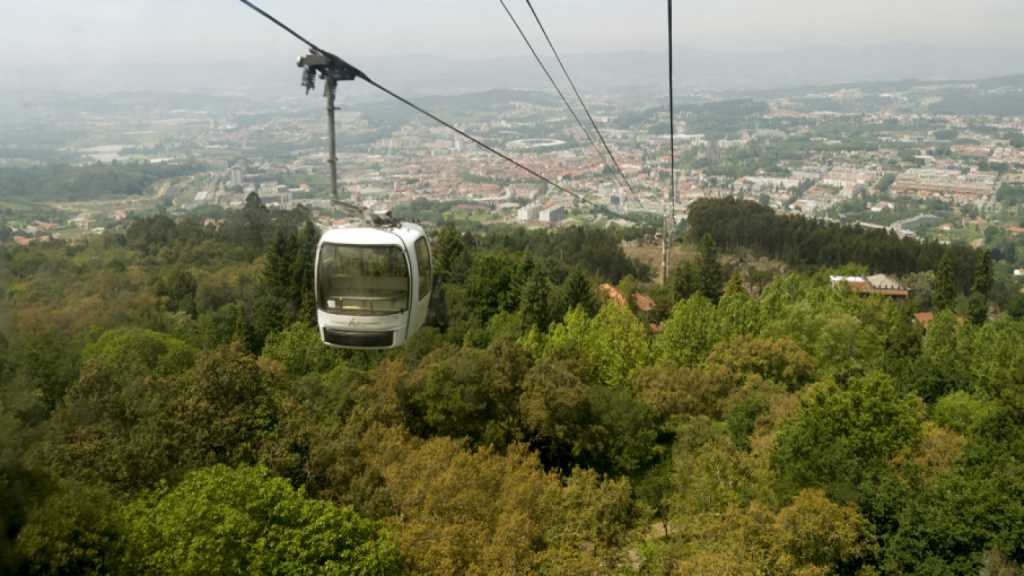
Teleférico da Penha
TransportsThis sight-seeing teleferico will take you to the peak of Penha Mountain, a journey of 1,700 metres. You’ll gain 400 metres of altitude in only a few minutes and you can admire the stunning views all around you.…
- Guimarães
- Viewpoint
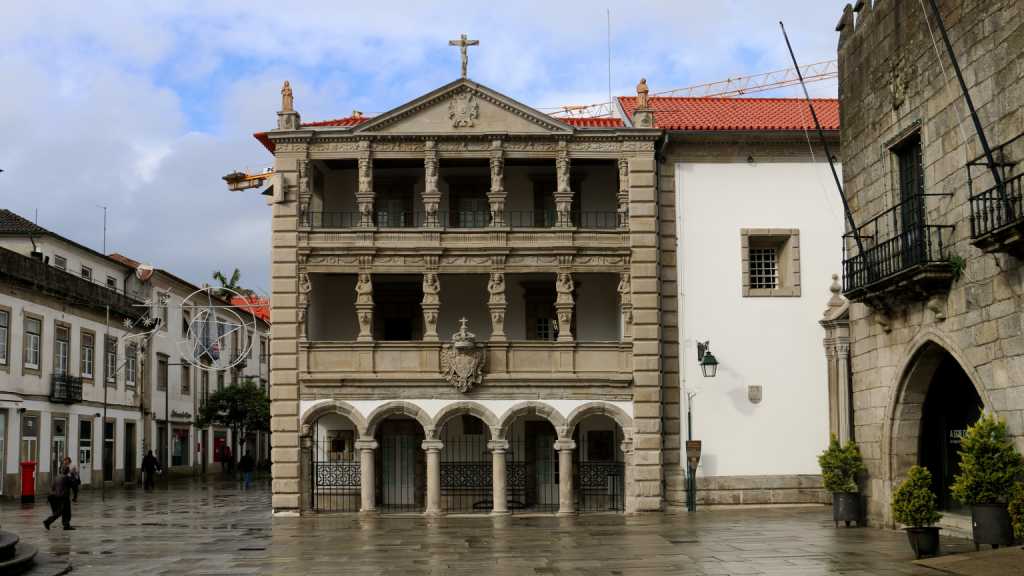
Santa Casa da Misericórdia
Monument & HeritageThe Misericórdia building, located in the historic center, allows us to visit its hospital and its Church, considered one of the most beautiful churches in Viana do Castelo. Dating back to the year 1589 and designed by João Lopes, it has a strong…
- Viana do Castelo
- Religious